-
Wise Women
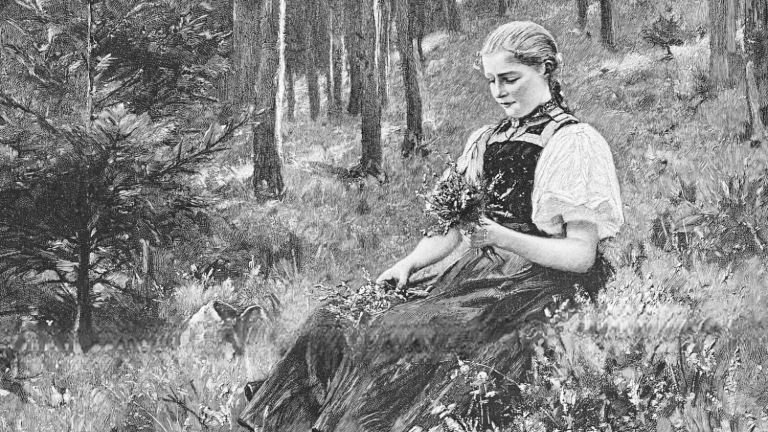
A Tribute to the Resilient Healers of History.
As a modern womanly believer in natural healing and herbal medicine, I am deeply grateful for the opportunities and freedoms I have to openly practice my herbal craft, share my thoughts and knowledge with others, and further learn from inspiring healers. However, as I reflect on the rich history of herbal medicine, I am also reminded of the horrific challenges and obstacles that women herbalists have faced throughout the ages. I would therefore, as a way of honouring our ancestral herbal women, like to explore the brutal history of power and control that they withstood to live their truth, and maintain and pass on the healing powers of nature that we hold today.
Women were the healers
Women of the Western world were in ancient times the practitioners of medicine. Their natural healing was rich and diverse and extended across cultures and time periods. They held knowledge of plants’ healing properties, how to harvest and store them, make medicine from them, and how to use them to promote well-being, treat ailments and birth new babies. These women were compassionate village healers, community midwives, and family herbalists who understood the importance of combining physical, emotional, and spiritual healing in their practices, recognising the interconnectedness of nature, body, mind, and spirit.

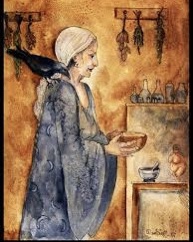
A medicine woman was a true healer! She provided regular strength-building herbal teas, cooked nourishing meals during harsh winters, enlivened the soul with wild green salads in the spring, beautified summer with edible flower platters, and invited to feast on autumn berries in preparation for the colder months.

Distilling properties of plants and herbs, from Kreuterbuch, Eucharius Rösslin (Frankfurt 1550) Credit: Wellcome Library London. These women were gifted with innate knowledge and understanding of nature’s healing properties and were highly respected and honoured in their communities. They were referred to as Wise Women, and indeed were they wise. Their healing abilities were even believed to ward off evil spirits and keep their villages safe and healthy.
Wise women become witches
In the 15th century, however, when organised Christian religion began dominating Europe and allopathic medicine developed, our wise women’s position in society drastically changed. The Medieval Church, with the support of kings and other authorities, controlled medical education and practice which allowed only men in the field of doctoring. Ruled by fear, lack of understanding of natural phenomena and the need for control these male authorities illegalised the practice of traditional healing, accusing wise women of consorting with the devil.

Women accused of being witches are beaten in front of King James I and VI year 1610 (Picture: Hulton Archive/Getty Images) Meanwhile, funny enough, priests and popes with their extensive botanical gardens cultivated and used herbal remedies in the same manner as the wise women. The church wanted to restrict the use of medicinal plants to members of the clergy and noble families. They wanted to maintain influence and control over the general public by keeping the availability of healthcare and access to medical knowledge away from them.
This sickeningly evil approach by the church and King to gain power and control over their trusting citizens labelled the wise women’s previously respected and honoured deep connection to nature, and use of herbal remedies as “witchcraft” – the practice of magic and use of spells for evil purposes, and became despised. A provoking fear in common people shifted societal dynamics and wise women became haunted witches.
Hunts of witches
This is where it got real nasty with a long dark period of widespread persecution and execution of women accused of witchcraft. Legal authorities and extremist, torturing sadist church people took responsibility for identifying, accusing, and often trying witches whilst having the trusting common people pay their hunt visits.

“The Salem Martyr” by Thomas Satterwhite Nobel, girl found guilty of witchcraft walking to the gallows with hangman and judges. Devilish witches, as we all know, didn’t exist, however, so identifying them was impossible. Therefore, these so-called witch hunters came up with all kinds of peculiar methods by which a witch could be identified. Finding “Devil’s” marks – i.e. having moles, birthmarks or any kind of skin blemish was one of them. Tying an accused woman onto a chair and throwing her into deep water or burning her alive on fire was another method. If she survived, she was considered guilty, but if she died, she was deemed innocent. A heavily biased method which of course only led to tragic outcomes.


Between the 15th and 18th centuries, over 60 thousand herbalists, midwives and other wise women of Europe and British America were tortured and executed on false accusations of witchcraft, targeted because of their knowledge and abilities. Most of them were hanged to death.
Witchcraft outdated
As time went on the torturing and murdering of wise women decreased as more and more people began to doubt that so many women could be guilty of witchcraft. Scientific understanding also increased which led people’s belief in witchcraft and the supernatural to diminish. Legal systems began to reject the notion of witchcraft as a criminal offence, and by the mid-18th century accusations of witchcraft in most countries had lost their legal basis. Murdering wise women was no longer necessary.
The wise women and their valuable wisdom and magic that for centuries had cared for their communities were, however, defeated by the powerful men of the church, the government and the new scientific medicine. So many women died due to powerful men’s insecurities, fear and lack of understanding. So much healing wisdom and natural remedies died with them.
Fortunately, some incredibly brave people went against the rules and in secret practised and shared their healing knowledge, much of the knowledge we modern herbalists hold today. I can’t help but wonder how different our relationship to health and healing would have been if more people of the time dared to question the leaders and stay true to themselves, and also what reflections we can take with us looking at today’s society.
Love, Sarah Águsta
-
Chapter 5: Eco-Everything
As we see the prefix ‘eco’ being added onto more and more things, I wonder when this will become superfluous in a new ‘normal’.
Placing oneself amongst likeminded people, let’s say environmentalists, easily makes it seem as though the whole world is aware of the dire state we are in. Encountering everyday people in their everyday lives proves the opposite: sustainability, climate awareness, climate justice and environmentalism do not get much space in most our ordinary realities. On one hand I am happy to discover an increasing amount of ‘eco’ products and practices. On the other hand it highlights the insidious ways in which greenwashing exists and how niche an ecologically centred approach still is.
I myself am a firm believer of ‘all hands on deck’ futures. I have learned how something isn’t truly sustainable until it is sustainable on all fronts: environmentally, socially and economically (and for the latter I take on a broad meaning of the word). Every human on this planet carries some responsibility and possibility to contribute to healthier futures. What prevents them from doing this is a lack of resources like time, money and education. This is why climate change education is essential for everyone: no one individual or industrial sector will remain unaffected by increasingly erratic climate and weather patterns; and there is so much space to improve.
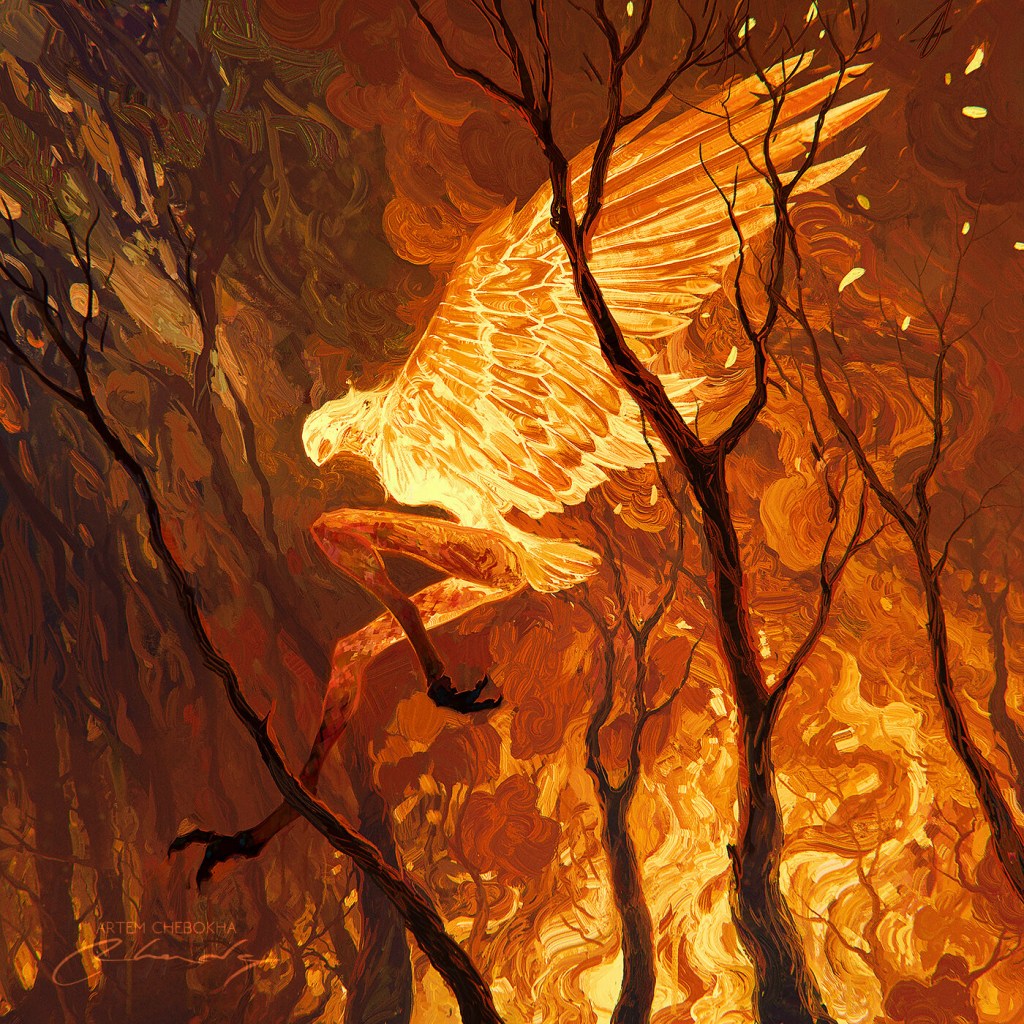
Wildfire by Artem Chebokha From Anthropocentrism to Ecocentrism
Of all the transformations we need, this one lies at the heart of our most sustainable futures. It speaks of the deepest possible transformation of all: that of our worldview, and therefore core values and beliefs. It is also my main drive for writing these blog posts. Having grown up in the global North in largely a western culture, a human-centred worldview is status quo. Most of us grow up in urban areas and do not know the origins (and true cost!) of most products and services we use on a daily basis. Humans are superior in their intelligence, and, as it turns out, affecting our planet’s ecosystems and climate. When will we start using our position of power to support and nourish life on Earth? When will we grow bold enough to think of generations to come?
Globalisation is spreading our “superior” western standards far and wide, and with that our Anthropocentric worldview that allows for abuse on so many levels. Other societies and their cultures, especially those living close to Nature, have more Ecocentric worldviews. Indigenous peoples are often mentioned when it comes to living with Nature, and for good reason, as they use their wisdom to defend and care for our planet’s most biodiverse ecosystems. Ecosystems that are crucial to not just our planetary but also our own health: we can only expect to be as healthy as the surroundings we live in.
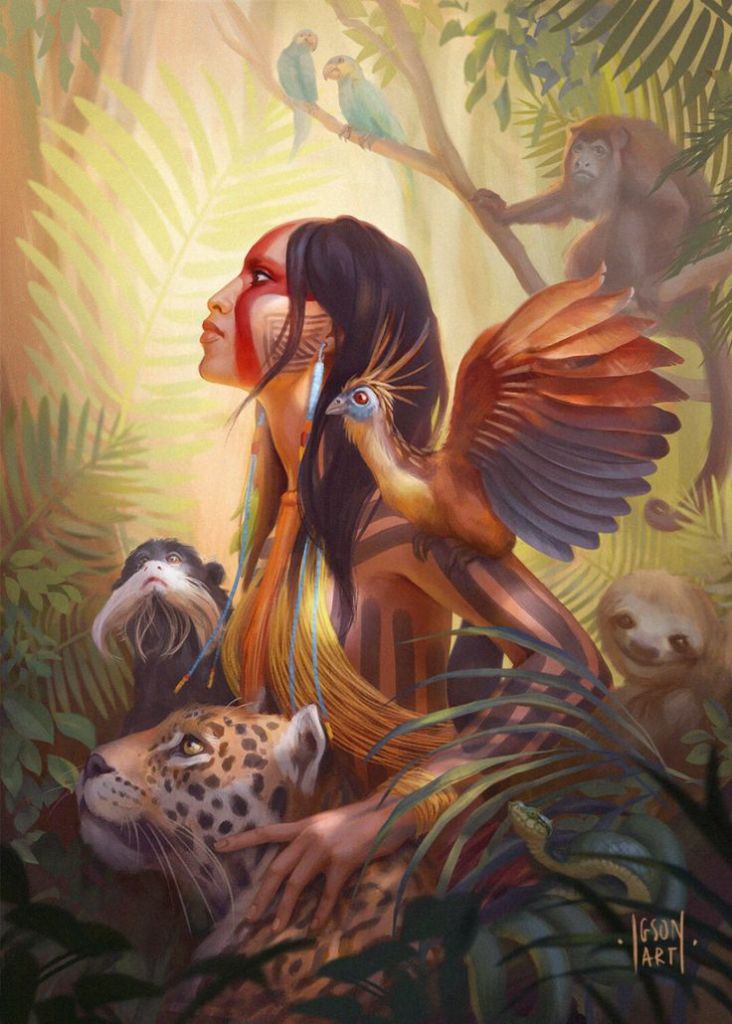
Kayapo by Iga Oliwiak Ecocentrism sees value in all of Nature. And humans are part of Nature as well as its ecosystems. Not acknowledging our place in a larger ecosystem prevents us from taking full responsility and seeing the impact of our actions. We are not superior to other species, whether plant, animal or any kind of matter. Besides being strong in numbers and behaving like a combined superorganism eating our planet, we are also not simply ‘the villain’ or ‘the hero’. Ours is a small chapter in all of history. Nature will continue to evolve with or without us. This gives me much comfort, but also offers a way to bypass the suffering that is happening here and now.
A rise of all things ‘eco’
You may have noticed the growing amount of products and services labelled with some kind of slur or adjective, like ‘green’, ‘sustainable’ or ‘ecologically friendly’. I could dedicate a bunch of chapters to why most of these claims are quite misleading and altogether encourage a continuous pattern of consumption—albeit without this newfound feeling of guilt towards the planet. The optimistic take is that it’s good that we, as a superorganism, finally seem to be aware that something is truly amiss and needs adjusting from our side. Despite a lot of greenwashing I also see more honest environmentally friendly initiatives rise up that aim to restore our power of choice: the antidote to capitalist consumer society.
If we look at the etymology of the word ecology we learn that it originates from the Ancient Greek ‘oikos’ meaning house or place to live. Slap ‘-logy’ at the end of that and you have a scientific field that can be studied. Ecology is the study of relationships amongst organisms and their physical environment, and is closely related to biogeography, evolutionary biology and natural history. It often pops up when touching on the subject of environmentalism but they are not synonymous. Environmentalism is a movement that has arisen as a reaction towards humanity’s destructive behaviour, building on scientific findings from (amongst other fields) ecology. This paragraph means to explain why ‘ecologically friendly products’ should essentially do nothing to disrupt any existing balance between ecosystems and its populations. Of course this means that many industrially mass-produced products can never be truly ecologically friendly, as the processes to obtain and process most materials are already disruptive to natural ecosystems in itself.
For the environmental crisis to lessen, if such a thing is even possible, then humans reclaiming agency and a sense of connection to the natural world is essential. Several narratives, beliefs and practices are dedicated to doing just that. They are rooted in Ecocentrism and may sound like ecotherapy, ecosomatics, Earth spirituality and re-wilding. Although some popular narratives are used in a way to perhaps overly romanticise the power of Nature and ourselves as individuals, it is true that re-familiarising ourselves with the innate kinds of wisdom we and our surroundings hold is a major part of this journey. And this is a story where magic has a place.
I hope to have sparked even the slightest bit of curiosity, as coming chapters will lead us down the track of Ecocentrism and related practices. This is still a newly discovered, overgrown path I am exploring, but one that has felt real and close to my heart from the very first step. Besides letting myself be more and more enchanted by other ways of moving through our beautiful world, I try to remain critical towards learning what feels true and false. Navigating fields that use ancient ways of knowing, often borrowed from other cultures, means that they bring along ethical matters that are important to learn about as well, so that we can properly respect them.
More Chapters
-
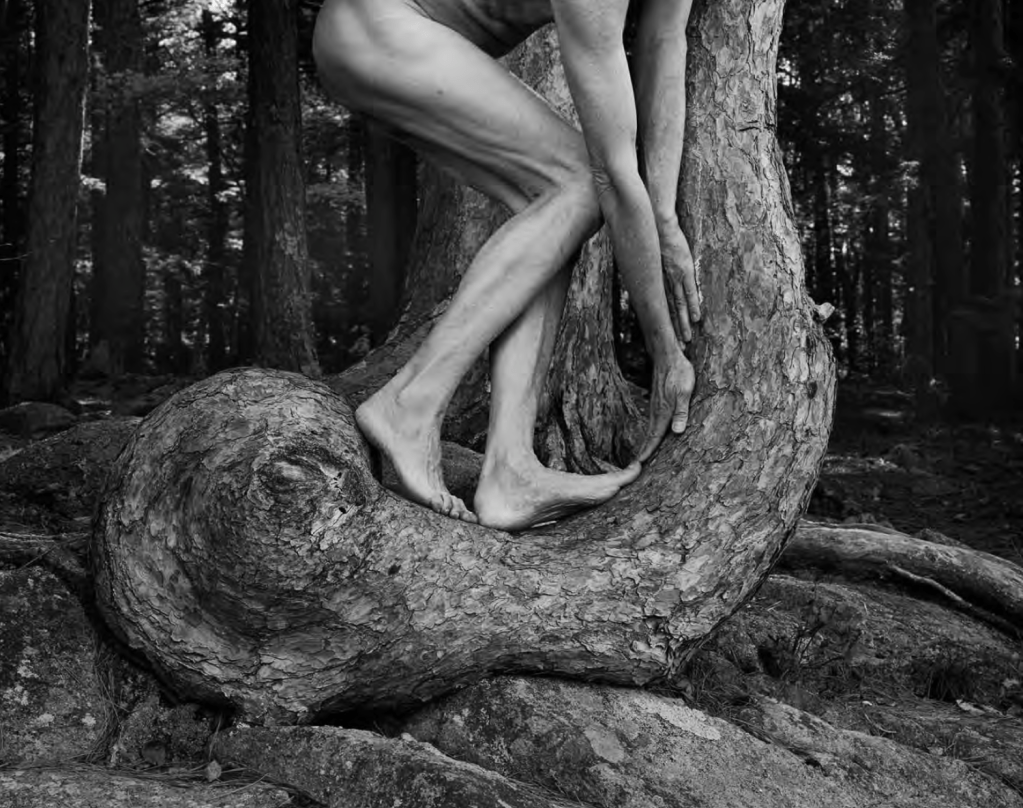
From Anthropocentrism to Ecocentrism
Here you can find the summary of (and link to) my published master thesis for Sustainable Development featuring the art of Arno Rafael Minkkinen. Summary This thesis researches main values… read more ꩜
-
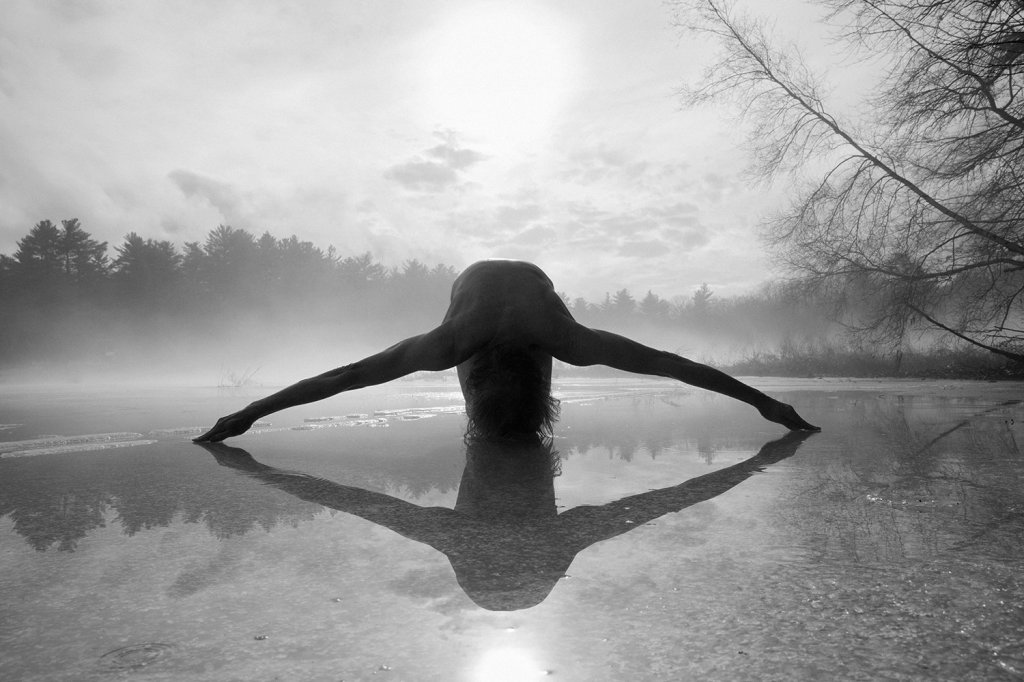
Chapter 8: Earth, my home and body
This post means to wrap up a journey that started long before my studies in Sustainable Development; and one that will continue to become long after. It has been almost… read more ꩜
-
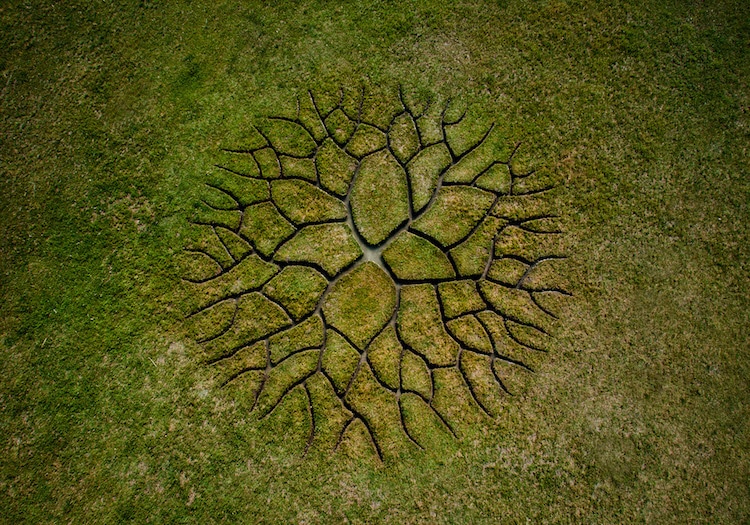
Chapter 7: Being with Change
“If you think of what we’re all going to encounter in the next ten, twenty years, in terms of environmental devastation, which we know is gonna happen, it’s very much… read more ꩜
-
Chapter 6: Embodying our relation with Earth
How much do you feel part of Nature? How essential do you think your body and its senses are in connecting to your environment? This article shares practices and insights… read more ꩜
-
Chapter 5: Eco-Everything
As we see the prefix ‘eco’ being added onto more and more things, I wonder when this will become superfluous in a new ‘normal’. Placing oneself amongst likeminded people, let’s… read more ꩜
-
Chapter 4: Destinations
How do you navigate through the world, what is your vehicle, and who drives it? Whether you believe in linear or non-linear timelines, singular or multiple dimensions, there is a… read more ꩜
-
-
Chapter 4: Destinations
How do you navigate through the world, what is your vehicle, and who drives it?
Whether you believe in linear or non-linear timelines, singular or multiple dimensions, there is a destination that holds power over every human being: the Future. The future could be described as any moment after the present. It is powerful to the extent that what in essence is a not-yet-existing moment can take our conscious mind out of the present, as we are often either dreading, dreaming about, or trying to control the future.
In order to plunge into this topic, I would like to point out that although ‘the future’ is used in a very determined sounding singular tense, an infinite amount of futures could be imagined and come into existence — depending on your worldview. My own belief has shifted from thinking there is but a singular and linear path in life for every being, to a complex webbed type of possibilities. Causation has a place in both. Imagination, and a sense of agency, come with the latter. As far as I know there is no scientific and measurable evidence for either of these to be ‘right’ or ‘wrong’, so whichever you believe to be true comes down entirely to just that: belief.
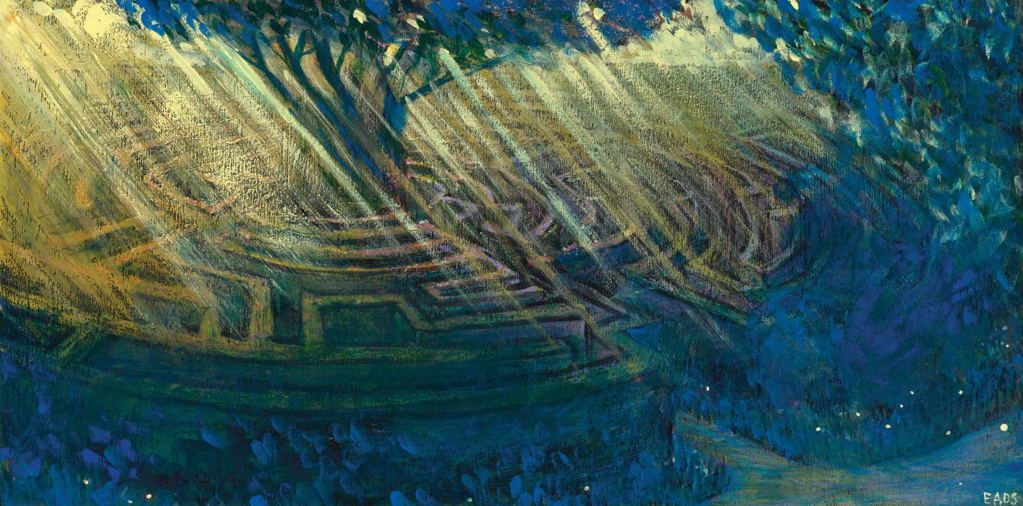
Above the Maze by James R. Eads This is an existential topic that fixates and occasionally frustrates humans. If there is but one destined way forward for each of us, then me shifting my own perspective (and possibly yours) is apparently part of that. The reason why this is important when discussing topics like climate change, sustainable (or any kind of) development and possible solutions, is that some beliefs inspire action rather than inaction. Similarly, some beliefs inspire us to strive for the best possible outcome whereas others entice us to take a backseat and let anything play out on autopilot. If we believe there is a future (or even a present!) in which we have full agency of our lives, we may be more likely to consider the values that inspire our actions and describe meaning to them. After this long and philosophical introduction I mean to examine the destinations – the futures – that are likely to come with various worldviews.
Choosing a destination
You may have heard of the term ‘business as usual’ when it comes to progressing or developing a certain way. I will compare this to a vehicle moving on autopilot, where it moves forward following the road of least resistance, trying to sustain settings like speed and direction it has previously been set to. Entities make progress or move forward on autopilot when they are not making conscious decisions. Not making conscious decisions, or moving on autopilot, may be caused by a few or more reasons:
- The entity has handed their power to decide to another entity, which could be out of trust in the other’s ability to choose, or be caused by a belief they themselves are unable to do so;
- This power has been taken from them;
- They are scared of making changes;
- They don’t see any other way of doing things;
- They are unaware of there being choices and decisions to be made, therefore being unable to make conscious decisions.
Many of the possible causes for trudging (or thundering) forward on autopilot are relevant within society’s systems. Subjects like sustainability and climate change intimidate most people and are therefore often left to discuss for ‘the experts’. When things become political, and they often are, there exists a lot of taboo, judgement and ‘otherness’ to efficiently smother any conversation. Understandable, but a shame nonetheless, as these topics concern everyone and should very much be brought to the people.
Opposed to moving on autopilot is the manual operation of a vehicle. Manual operation takes active engagement from the driver (and a driver in the first place!) but allows for abrupt changes in speed and direction. Judging by the amount of information, warnings, and the growing amount of stories of disaster creeping closer to our homes, a drastic change of direction is required to minimise suffering and be better able to cope with fast-changing circumstances. A few ingredients are essential to allow for optimal manual operation, or conscious decision making, to be beneficial to anyone travelling in the vehicle:
- The vehicle needs a driver, or more than one to allow for rest and motivate clear vision;
- The driver needs to be aware of their responsibility for themselves and potential passengers;
- The driver and its passengers should all be aware of the decision making process. Whether this process is democratic or not, all entities within the vehicle should be aware of, and (ideally) agree with, the way of governing;
- There needs to be a decided destination, or vision, to move towards.
During fast changing times of chaos it is easy to become overwhelmed and even paralysed with fear. A common reaction is to give away all power. What I believe is that we need more people stepping into their power — in however large or small an area. The thing with transitions is that as old systems start to crack and crumble, spaces appear for new systems to arise. And to make changes for the better, we need systems rooted from values that align with the people and changing times. To return to my previous analogy: we need competent drivers to bring us safely to our next destination. And, ideally, the more the better!
Do we want to let others dictate our futures? To an extent, perhaps, if they are trustworthy. If we continue on autopilot, one leader can fall and a next one cut from the same wood will take their place. We need people with different knowledge, values, expertise and dreams to actually change direction. Nothing changes if nothing changes. Although, in a changing world change will happen inevitably, but these changes are also able to drag us along in a muddy river to dump us onto the next polluted shore.
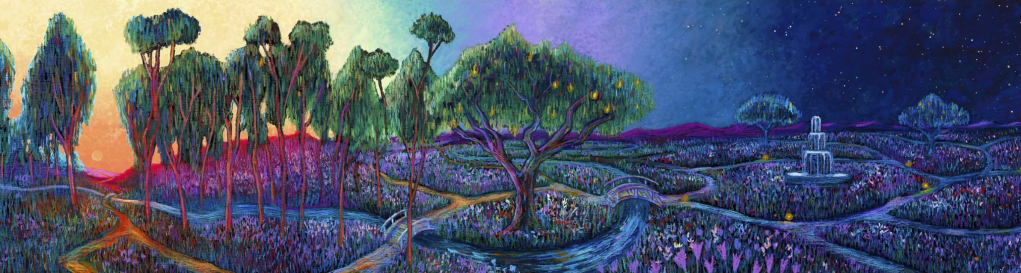
In the Garden there are Many Worlds by James R. Eads Who knows what’s best?
Opinions are likely to vary. And that is exactly why we should aim for a Multiverse, where many different people can exist and live in different communities with different climates and therefore different solutions to problems like climate change. Most of our current world leaders have little to no knowledge about societal transitions and how to live in ways that truly sustain ourselves and our planet. But there are many people who have been learning and teaching other ways for centuries, and especially during the last few decades the focus has been shifting towards knowledge that will benefit us and generations to come.
Life is a patchwork of encounters and events. At times we may feel like we are in charge of our lives, only to later notice that the ground has shifted below our feet and we are faced with something we could never have foreseen. Nature exists in systems unfolding into larger systems, and so do we. This is the reason that many radical environmentalists believe we need to decentralise everything from energy, food and governing systems. With the power to decide being far removed from where we actually live, things only change in reactionary fashion rather than being truly transformational, and solutions are less likely to actually benefit the majority of people affected. Going with manual vehicle operation to drive us into the future we need more tailor-made solutions, smaller areas of governing, more direct democracy — and trust.
Choosing your vehicle
Returning to the analogy of moving on autopilot or manual operating a vehicle, I have yet to mention the most important factor in this story: the choice of vehicle. Travelling and navigating a landscape of chaos comes with a risk of leading you astray. To best explain this analogy I will compare two very contrasting vehicles: Hope and Despair.
With despair (paired with doubt) being the driving force behind your choices, you automatically aim for a worst case scenario. You may believe that this is the most failsafe option as it is good to have safety nets below risky endeavours, but at the same time the focus being on ‘bad’ will pull you into this direction. When you are to navigate a bend to change direction, your driving instructor will tell you to look into the direction you are aiming for. Besides that, you may fall back into (at its best) reactionary decision making. Trying to work out possible ‘unforeseen’ events and account for everything that could go bad will have you put out fires as they pop up. It is easy to forget to move forward at all.
Your vehicle being hope (paired with trust) will have you aim for the best possible scenario. This does not have to mean you get there, but it will steer you away from dead ends. Focussing on ‘good’ can be fuel on its own and create momentum. It can take a heavy load off your shoulders and motivate you to distribute whatever burden is left. Instead of reactionary decision making, this allows you to look further ahead, past the fires, and make more radical transformation happen as you ride the waves with good faith.
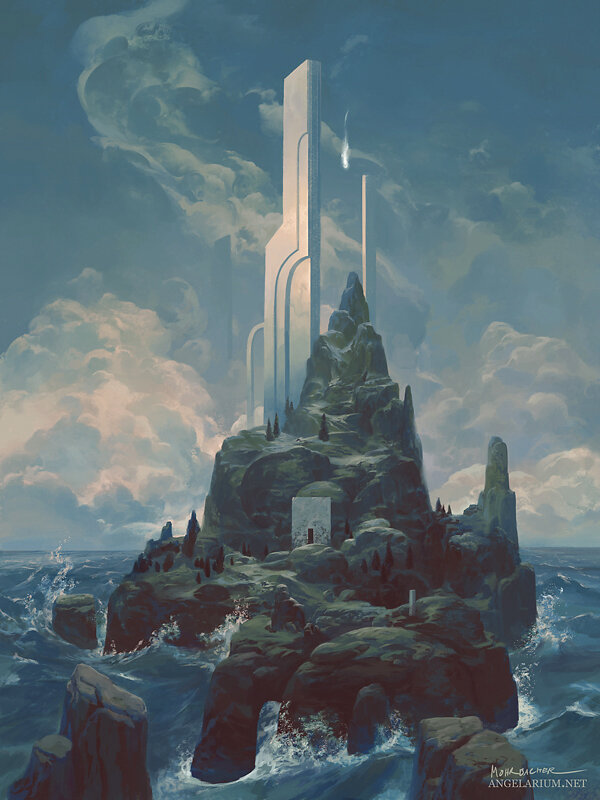
Grave of Hope by Peter Mohrbacher Having finished these analogies I would like to state that I will never vouch for any driver’s vehicle to be only hope. This can properly blindside you and cause any kind of emotional, intellectual or spiritual bypassing. There are both light and dark forces moving through our world. Good leaders will be able to see both at play and make well-weighed decisions in any situation. Yet another reason to have more localised governing systems and distributing leadership over multiple people, as we are all born with different qualities and a more innate sensitivity to either light or dark forces. Whatever our destination will come to be, it is important to be aware of our world containing elements of both Utopias and Dystopias. It is just a matter of choosing what elements will serve us best.
Our common future
Unless you breathe your last breath this exact moment, we all have in common that we have a future — however far or near removed from our present. What we do not by default have in common is how this future is shaped. Our transformational times come with increasing stories and imaginaries of Utopian and Dystopian worlds. I think of The Last of Us and Sweet Tooth both portraying post-apocalyptic worlds where a virus has heavily decreased our world population. Even The Witcher contains elements of climate change and paradigm shifts, but perhaps more so in the books. It pleases me to see that popular media nowadays contains elements of both the perceived good and bad in people, and that it shows how both of these are a driving force of their own.
In reality people have extremely different lived experiences. Some feel to be living a nightmare while others are living their dream: both exist in our same physical realm; both are valid. We walk individual paths of life that contain different crossroads and will lead us in different directions. When it comes to governing and leading societies, however, we work on where our existences overlap and form a common experience. How much these futures overlap and have in common depends on the scale. Due to globalisation and a decided way (generally by privileged and wealthy people with no specific faith) on how we should live our lives, more and more people start to feel how they are not included in this vision. No wonder we fall into despair.
At times it is possible to feel how life’s forces are at play, or perhaps in battle. With so many people having heightened sensitivity to the ‘bad’ in life, we also see a rise in practices that tune us into the ‘good’, which we need in order to move into the right direction. Therapists, healers, light workers and even artists work to channel energies that are creational and nurturing. This is why I believe art and stories to hold immense power over our lives — and our futures.
More Chapters
-
From Anthropocentrism to Ecocentrism
Here you can find the summary of (and link to) my published master thesis for Sustainable Development featuring the art of Arno Rafael Minkkinen. Summary This thesis researches main values… read more ꩜
-
Chapter 8: Earth, my home and body
This post means to wrap up a journey that started long before my studies in Sustainable Development; and one that will continue to become long after. It has been almost… read more ꩜
-
Chapter 7: Being with Change
“If you think of what we’re all going to encounter in the next ten, twenty years, in terms of environmental devastation, which we know is gonna happen, it’s very much… read more ꩜
-
Chapter 6: Embodying our relation with Earth
How much do you feel part of Nature? How essential do you think your body and its senses are in connecting to your environment? This article shares practices and insights… read more ꩜
-
Chapter 5: Eco-Everything
As we see the prefix ‘eco’ being added onto more and more things, I wonder when this will become superfluous in a new ‘normal’. Placing oneself amongst likeminded people, let’s… read more ꩜
-
Chapter 4: Destinations
How do you navigate through the world, what is your vehicle, and who drives it? Whether you believe in linear or non-linear timelines, singular or multiple dimensions, there is a… read more ꩜
-
Queen of Scent
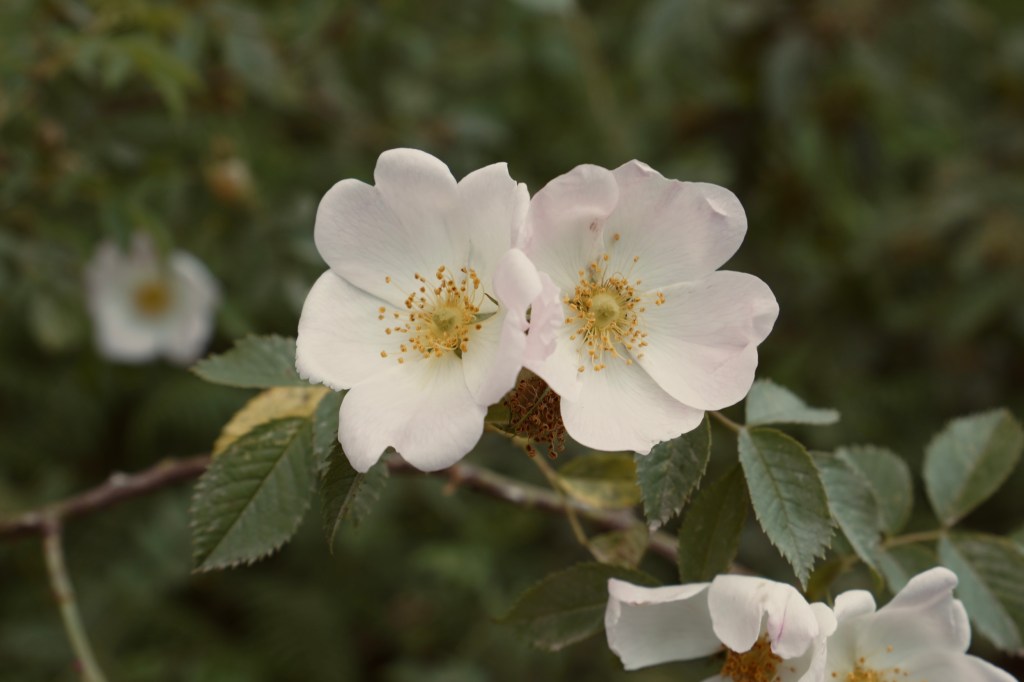
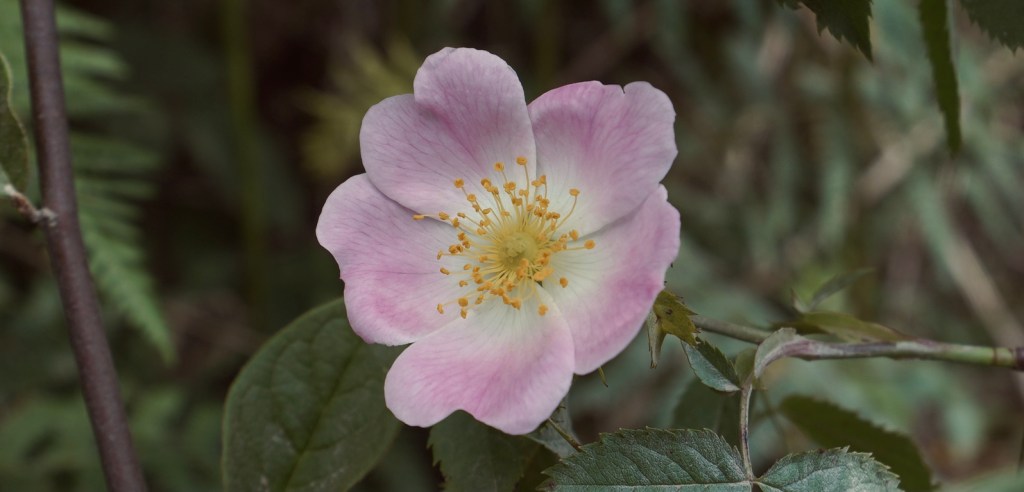
Wild Rose (Rosa spp.)
June has come and gone and wild roses have had their time in the limelight spreading love and joy. I have recently come back from a wonderfully inspiring two weeks of hiking in the lake district (Cumbria, UK) and while amazed by this beautiful grand landscape, the abundance of dusty pink wild roses in bloom on the lakesides with their heavenly fresh scent beautified the scene even more and was indeed also uplifting and much appreciated by us sweaty hikers carrying heavy backpacks in nearly 30 degrees full sun.
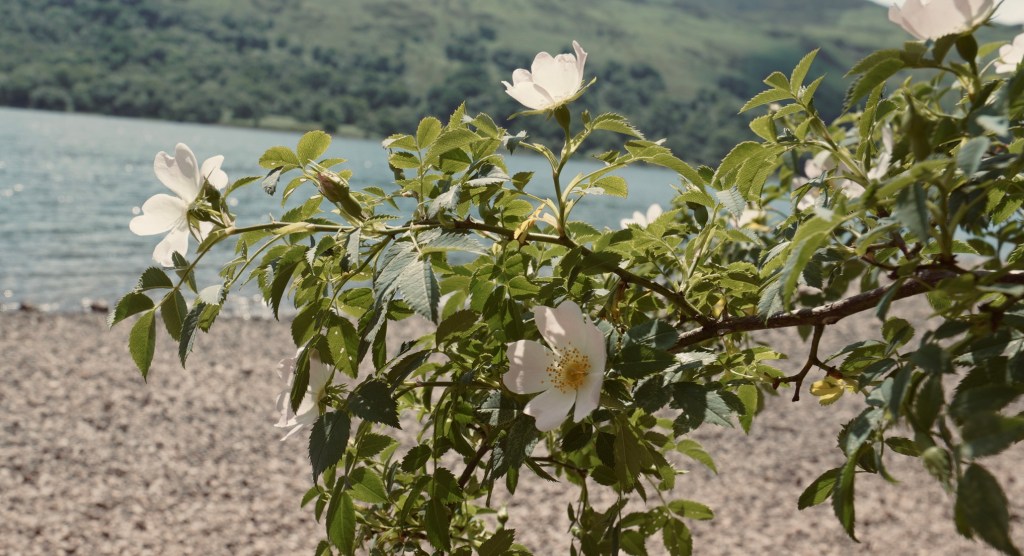
Reluctant but sensible to not harvest during our long hike through the fells and dales I was grateful to at the end of our trip spend a few days in my partner’s camper van where I could, with a bit of creativity, more easily and respectfully harvest, dry, and store enough petals for my herbal crafts.
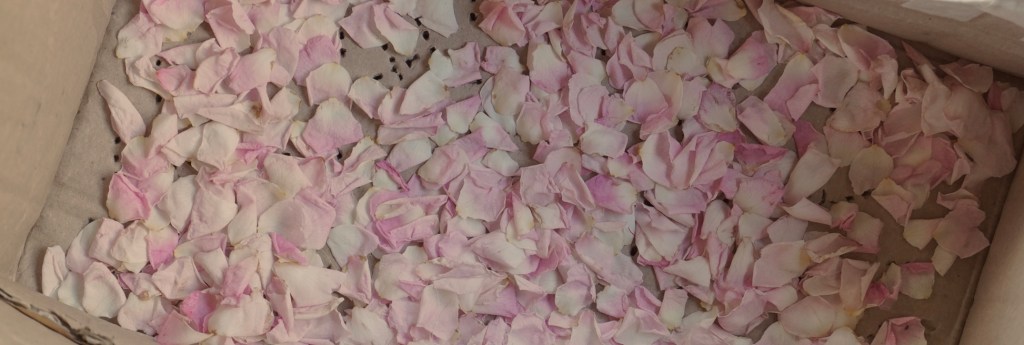
A fork stabbed cardboard box kept away from direct sunlight happened to make an exellent herb dryer. Filled with energy and inspiration from our wonderful nature, and perhaps the euphoria all this rose scent is giving me, I’ve been having itchy fingers to create and share some amazing and fun ways of using and benefitting from them.
Know their Medicine
For me, the medicine in rose flowers lies foremost in their scent. Compared to our other senses, the sense of smell is the most primal and instinctual. It has a remarkable ability to elicit emotional responses that can greatly influence our well-being. This is due to the direct connection between our scent receptors and the Limbic System in the brain, which is in charge of recording our emotions, memories, and survival instincts. Rose is one of the scents with a long history of use to trigger specific responses.
Heart Love
When we breathe in the aroma of a rose, it has a calming effect on our mind and body. We become fully immersed in the scent, it becomes the sole focus of our attention and creates a moment of beautiful tranquillity. Wild rose petals have a nervine action and help to calm and refresh the nervous system in a very gentle and nurturing manner. Smelling them, observing their beauty, and preparing herbal remedies from roses can help balance a confused or sad heart, and release and relax emotional blockages. Roses are perfect for the easily overwhelmed and sensitive being or for anyone experiencing grief and distress.
Sensual Love
Roses are highly associated with intimacy and romance which they, rightly so, are full of. Again, it’s the enchanting aroma of roses that evoke deep emotions and act as an aphrodisiac. By promoting relaxation, excitement and general “feel good” vibes roses can help release tension and encourage a more sensual and intimate connection. Infuse rose into massage oil, chocolate, or liqueur to enjoy with your partner, or make and burn rose incense and an atmosphere of sexual desire and deep connectedness will spark.
Womb Love
Rose is a beautiful medicine for a woman’s womb. Drunk as tea or massaged onto the area with an infused oil, rose will work as a “blood mover” breaking up stagnation and bringing warmth and movement to the whole space of the womb. This action of stimulating circulation and flow of blood to the reproductive system may help address menstrual difficulties, cystic growths, and uneasy emotions of PMS. Countless of times have rose helped bring on my period and support my menstrual cycle when I’ve been feeling stressed, out of balance, and stagnated.
Skin Love
Packed with antioxidants, vitamins, and soothing properties, roses offer great advantages to our skin. They have the ability to attract and retain moisture which hydrates the skin, and leaves it soft, and radiant. This is particularly beneficial for dry skin types. With anti-inflammatory properties, they can help reduce redness, irritation, and inflammation. Great for sensitive skin or various skin conditions. Commonly used in anti-ageing products rose petals, along with their antioxidants, have astringent properties which can tighten pores and enhance skin elasticity when used regularly. The vitamin C in roses aids in reducing the appearance of dark spots and hyperpigmentation and natural acids present help in gently exfoliating the skin giving a brighter and more even-toned complexion. Make rose water, rose-infused oil or scrubs for your skin and let them work their magical beauty.
Get Crafty
Now, with a little bit of knowledge and connection with the wild rose, we can harvest its petals and create beautiful, fun and wholesome medicine. Other than making rose tea, oil, hot chocolate and adding petals to my salads, below are recipes for a few crafts I’ve been playing with recently.
Rose Incense
While store-bought incense may contain ingredients that are harmful to inhale when burnt making your own is a safer bet. You have full control over what goes inside them and can make up your own favourite scents using different aromatic herbs.

Ingredients
2-3 tbsp rose petal
1 tsp marshmallow root
ca 1 tbsp cold water
Powder your herbs and stir together until they are evenly combined. Slowly add the water, 5-10 drops at a time whilst stirring and mash the powder and water together until a dry dough that’s only wet enough to hold together without crumbling apart has formed.
Pinch off small pieces of the dough and form them into cones. Tall and skinny cones seem to burn best. Slide a toothpick into the center of the cone to create a little bit of space and they will burn even better.
Allow your cones to dry for up to 7 days. They won’t light or burn well until they are completely dried. Place on a fire-safe surface, light the tip, relax and enjoy! 💕
Rose Scrub
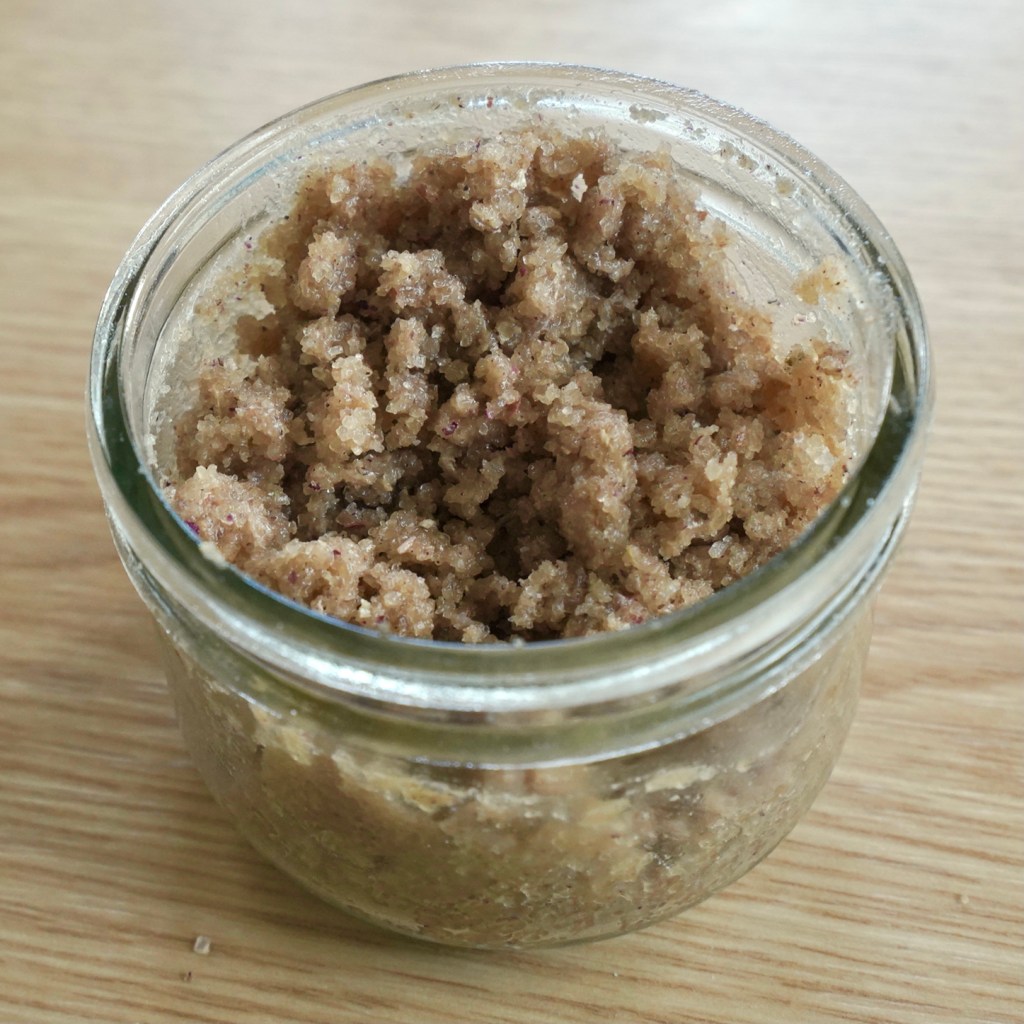
Few things feel as cleansing and refreshing to the skin as a good old face or body scrub. A brilliant way to rid toxins from the body as well as cleaning and moisturising the skin. Making your own scrubs is easy and inexpensive and can often be made with several ingridients from your kitchen cupboard. This time I used sugar as my main exfoliator.
Ingredients
100 ml Raw cane sugar
60 ml Coconut oil & rose-infused olive oil
60 ml Dried rose petals
Grind or blend sugar to how rough or soft you want your scrub to be. A fine soft texture is usually recommended for the face while more coarse is recommended for the body. I personally like a soft scrub. Do the same with the rose petals until they turn into powder or teeny flakes.
Mix together the sugar, rose petals and oils into an even paste. Measurements are never exact and your are gonna have to go by feel, what I have stated above is just to give you a rough idea.
Since no chemical preservatives are present in this natural scrub use only clean and dry hands or utensils when scooping out the amount needed. I always bring the amount I need with me in to the shower to avoid water getting into the container. To avoid contamination store your scrub in a cool and dry area. This way it will lasts for months.
Rose Water
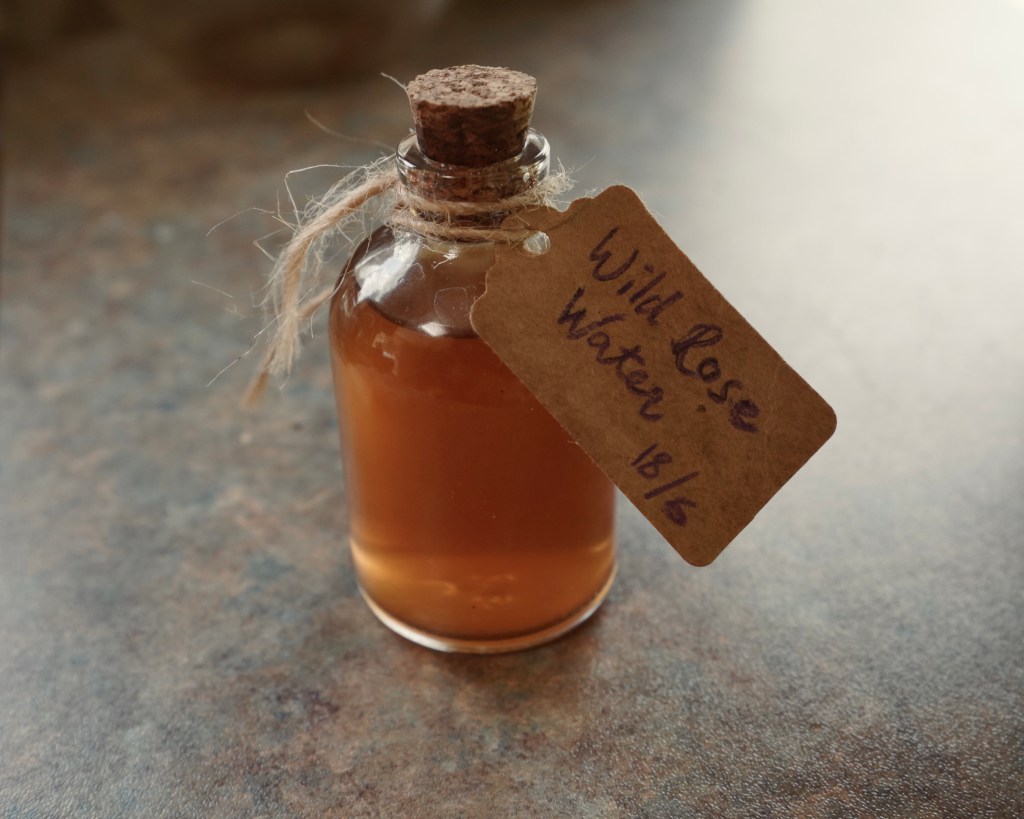
This is another easy and affordable beauty hack. Use as a facial toner or put in a spray bottle to mist your face and body with or use as a natural air freshener. There are a few different methods of making rose water. I tend to only give myself the time to do the “simmering” method which to me feels the most effortless and least time consuming.
Ingredients
Rose petals (fresh or dry)
Distilled water (fresh, filtered also works)
Put rose petals in a pot or saucepan and add enough water to just cover the petals.
Place the pot on the stove on low heat and cover with a lid and let simmer until the petals lose their colour, approximately 30–45 minutes.
Leave your rose water to cool completely then strain the water into a spray bottle or jar. Refrigerate and use for up to about a week. Since no preservatives are used the shelf life is short and it’s important to use your clever sense of smell to detect rancidity.
Code of Conduct
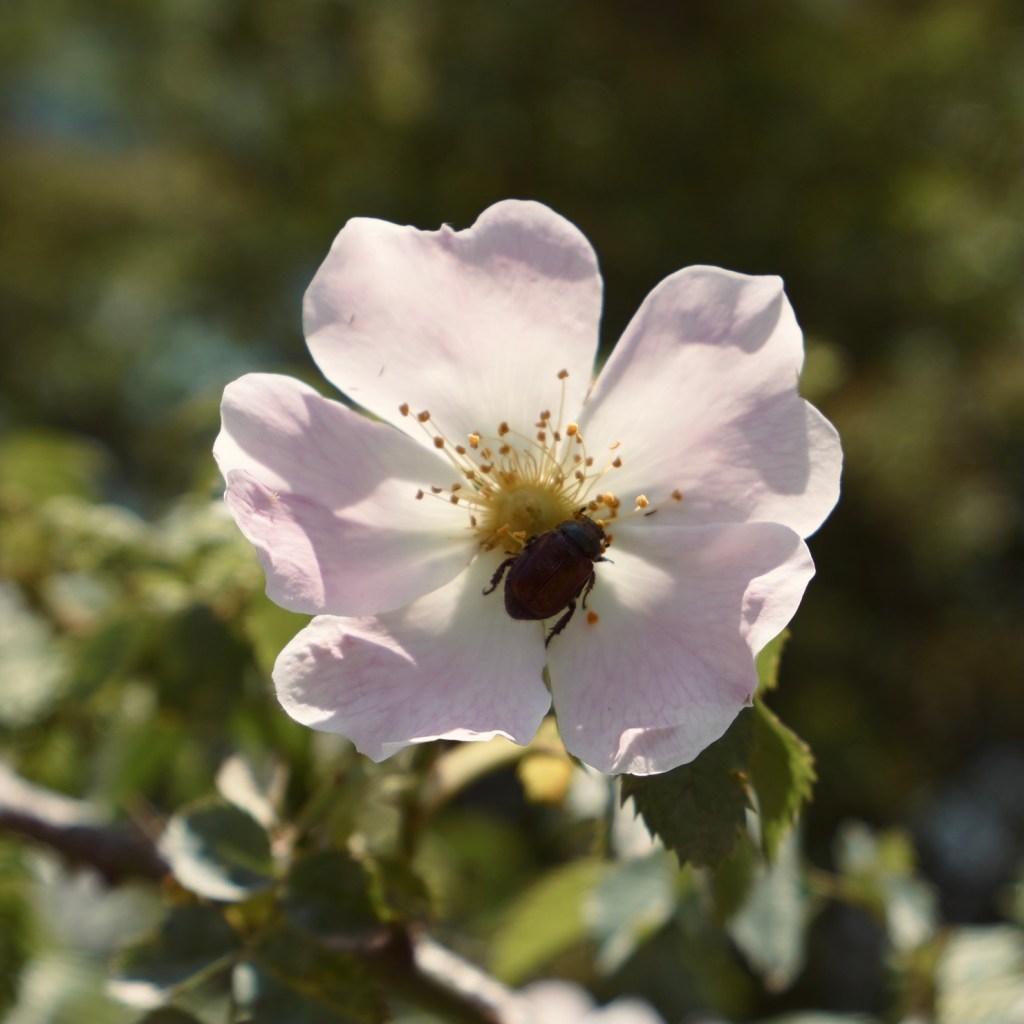
As always when wildcrafting and using natures resources, harvest with awareness, gratitude, and respect. Never pick all the roses that you come across but leave enough for insects and reproduction. Only harvest from shrubs far enough away from roads and areas prone to fumes and toxins.
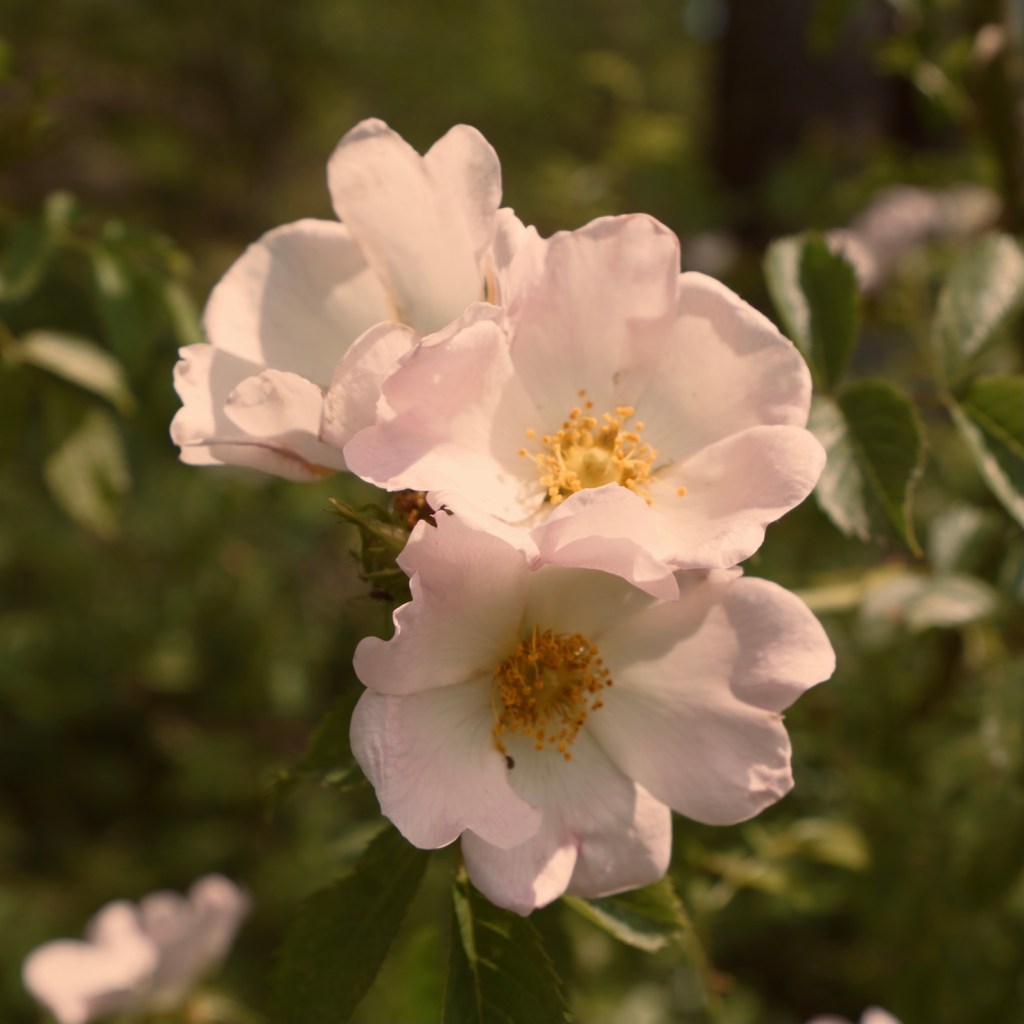
With that said I hope you have had or will have a chance to enjoy and perhaps even heal with this beautiful plant.
With Love,
Sarah Águsta
-
Chapter 3: The stories we tell

We take a look at how language and stories shape the way we relate to the world, starting from a young age and throughout our entire life.
Narratives shape our daily lives and give them meaning. Meaning, as in knowing the value or purpose of our human existence. Meaning that will guide us through that human experience and bring spiritual, soul deep satisfaction. Meaning in the form of stories, religion or identity. Such stories have always played a major part in human lives: they are what hold societies together! If you allow me a nihilistic observation that will help us explore what feels true or false: such stories have largely been substituted by a shared understanding that we are nothing but cogs running a system; that this system operates fairly and unbiased; and that the accumulation of monetary wealth is a goal to subscribe to — for life.
The classes I have taken in ecopsychology (and art, and narratives) help uncover the root of many of our crises. They address the inanimate worldview we have made second nature. Ecopsychology examines how we position ourselves in relation to our natural environment, and seeks to expand the emotional connection between individuals and nature. This can help people develop more sustainable habits through remedying alienation from nature. It questions the belief that nature exists for our use and possession, and that its value depends solely on whether it offers a ‘service’ or can be turned into a ‘resource’. We speak about the wind, the soil, the trees and even animals as if they are ‘things’ which possess no spirit and are undeserving of the respect we feel entitled to. Yet we also talk of our oceans dying, the death of coral reefs and dead soil. Does this mean we believe our environment to be a live entity after all?
Ecolinguistics
Ecolinguistics, lovechild of language and ecology, is a subject related to ecopsychology and takes part in ‘discourse analysis’. This is a fancy term meaning the analysis of how we communicate with each other: words, terms and concepts we use. But also who created those, what assumptions they are based on, what they exclude, and other factors. Historically, ecolinguistics have focussed a lot on negative impacts language use has in, for example, encouraging ecologically destructive behaviour. There is also a search for new stories and dreams to base society on, this is called positive discourse analysis. New stories, narratives and concepts promote being more rather than having more, well-being rather than growth, and respecting rather than conquering nature (A. Stibbe, 2018). Or, taking it a step further: to love, care for, learn from and live as part of nature.
Here is an excerpt taken from the famous book Braiding Sweetgrass by Robin Wall Kimmerer that shares a different worldview of those most Westerners grow up with:
“In the Western tradition there is a recognized hierarchy of beings, with, of course, the human being on top—the pinnacle of evolution, the darling of Creation—and the plants at the bottom. But in Native ways of knowing, human people are often referred to as “the younger brothers of Creation.” We say that humans have the least experience with how to live and thus the most to learn—we must look to our teachers among the other species for guidance. Their wisdom is apparent in the way that they live. They teach us by example. They’ve been on the earth far longer than we have been, and have had time to figure things out. They live both above and below ground, joining Skyworld to the earth. Plants know how to make food and medicine from light and water, and then they give it away.”
For an art seminar, me and about twenty other students examined artworks and the stories they tell through using different perspectives. Some had a human-centred approach, as most of our mainstream art does. Other artists played with alternating dynamics, where humans and non-humans (animals, vegetation, natural phenomena, but also technology) sometimes appeared as equals, and at other times even blended into one another. We all picked an artwork that spoke to us, and then presented on our emotional engagement and understanding of the piece. It was mind blowing just how different we all perceive things, how someone else’s view can change your whole perception of something, and how we were able to allow each other space to feel touched by entirely different things. Have a look at my encounter with Arno Rafael Minkkinen’s photography, who plays with the ambiguity of our bodily selves.
Creation stories
Creation stories, like those in the bible or Qur’an, tell about the origin of our world, its beings and its people. They are a strong foundation on which society’s norms and values are based. I would like to share another part of Braiding Sweetgrass where Kimmerer compares creation stories. Specifically the Christian story of Eve, and that of Skywoman, an oral tale shared by the Potawatomi, native peoples of Wisconsin. She writes the following:
“Same species, same earth, different stories. Like Creation stories everywhere, cosmologies are a source of identity and orientation to the world. They tell us who we are. We are inevitably shaped by them no matter how distant they may be from our consciousness. One story leads to the generous embrace of the living world, the other to banishment. One woman is our ancestral gardener, a co creator of the good green world that would be the home of her descendants. The other was an exile, just passing through an alien world on a rough road to her real home in heaven. And then they met—the offspring of Skywoman and the children of Eve—and the land around us bears the scars of that meeting, the echoes of our stories.”
In Western countries, and even globally, Christianity has become a dominant religion. I lack grounds (and desire) to make this article a review of religions, but about one thing I am certain: our interpretation of one of the world’s youngest religions has not always inspired us to treat others with unconditional love; judgement is applied about who or what is worthy of our love and protection. At the same time, religion has in recent centuries taken a backseat compared to scientific knowledge in teaching us what we believe is ‘true’ and ‘worthy’. Magic and symbolism no longer awaken a language passed on throughout generations and we only dare to let ourselves be enchanted by imaginative stories as a form of entertainment.
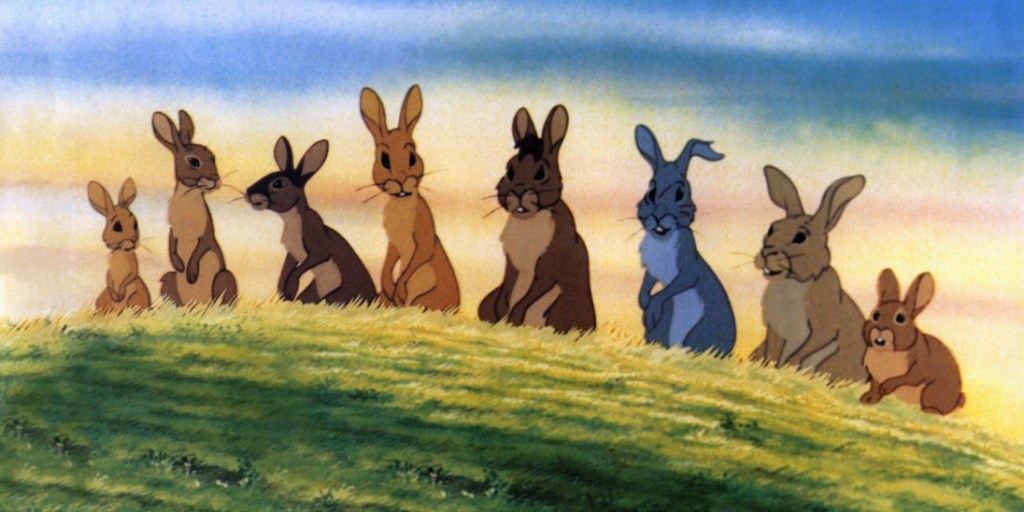
Watership Down, or “Waterschapsheuvel”in Dutch When I think of my childhood, the stories I remember best are the ones told, and later read, before bedtime. Fantasy movies also come to mind, magical stories about all-knowing trees and talking animals. These were my creation stories. They moved me to my core and awakened strong emotions in me. Dauntlessness, empathy, grief, respect the natural sequence of things, but also a love for the more-than-human. Later on, when questions about my ‘purpose on Earth’ began to make frequent appearances, I started to look for answers within that same realm: stories of magic, untamed nature and limitless love.
Creating new stories
We live in extremely changeable times. Everyone feels the effects of the many crises surrounding us, though most of us have to some extent adopted this to become our normal. Moving forward it is important to question what stories we do wish to identify with. Perhaps these are stories of connection, care and compassion. Contrasting or complimentary to the inanimate scientific language we have made our own. Call it a radical romanticising of the mundane, as poets and artists do best. They may be ideological, but do you not think it better to let ourselves be guided by ideologies than nightmares?
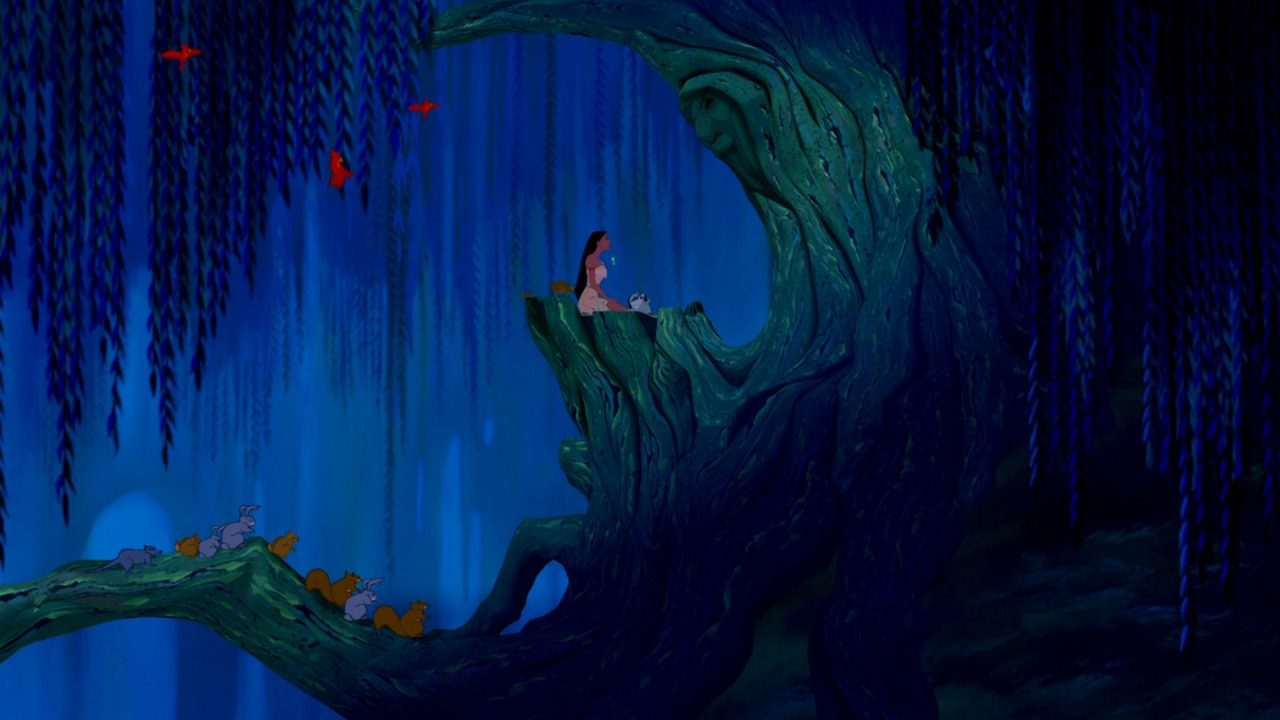
Pocahontas and Grandmother Willow I used to think my imagination was something that could only ever serve myself through offering refuge from reality. Being fortunate enough to have made my hobby and passion my profession, I am now able to use my illustration skills for the benefit of others. But it was only during my studies in sustainable development that I learned how imagination is an important trait when envisioning alternative realities and future pathways. It is what sets humans apart from other species!
We can use imagination and creativity to transform our surroundings for the better. If we subscribe to the core belief we are all born deserving of a healthy life filled with love, and learn to question any story that only speaks to our lesser qualities, we can reclaim agency of our being. Healthy, nurturing and essential values can reflect qualities we all possess but have forgotten about because they are not often spoken to. Learning to view ourselves from a perspective in which we are whole will help us act from love; re-enchantment with our world will help us care for it. We are born on this planet, and together with fellow beings in this more-than-human world, it is our birthright to make home here — and it does not need to involve robbing others from that very same birthright.
Life is not a linear track. It ebbs and flows, sometimes moves too fast, and sometimes not at all. This is a natural rhythm that is not to be overcome but to surrender to: be alive to it all! Even amongst our human species there is so much diversity, which is something to savour and deeply fall in love with.
Mono no aware.
Reference(s)
Stibbe, A. (2017), ‘Positive Discourse Analysis – Rethinking Human Ecological Relationships’, in The Routledge Handbook of Ecolinguistics, Alwin F. Fill Hermine Penz (eds.). London: Routledge, pp. 165–178.
More Chapters
-
From Anthropocentrism to Ecocentrism
Here you can find the summary of (and link to) my published master thesis for Sustainable Development featuring the art of Arno Rafael Minkkinen. Summary This thesis researches main values… read more ꩜
-
Chapter 8: Earth, my home and body
This post means to wrap up a journey that started long before my studies in Sustainable Development; and one that will continue to become long after. It has been almost… read more ꩜
-
Chapter 7: Being with Change
“If you think of what we’re all going to encounter in the next ten, twenty years, in terms of environmental devastation, which we know is gonna happen, it’s very much… read more ꩜
-
Chapter 6: Embodying our relation with Earth
How much do you feel part of Nature? How essential do you think your body and its senses are in connecting to your environment? This article shares practices and insights… read more ꩜
-
Chapter 5: Eco-Everything
As we see the prefix ‘eco’ being added onto more and more things, I wonder when this will become superfluous in a new ‘normal’. Placing oneself amongst likeminded people, let’s… read more ꩜
-
Chapter 4: Destinations
How do you navigate through the world, what is your vehicle, and who drives it? Whether you believe in linear or non-linear timelines, singular or multiple dimensions, there is a… read more ꩜
-
-
Chapter 2: Fractured
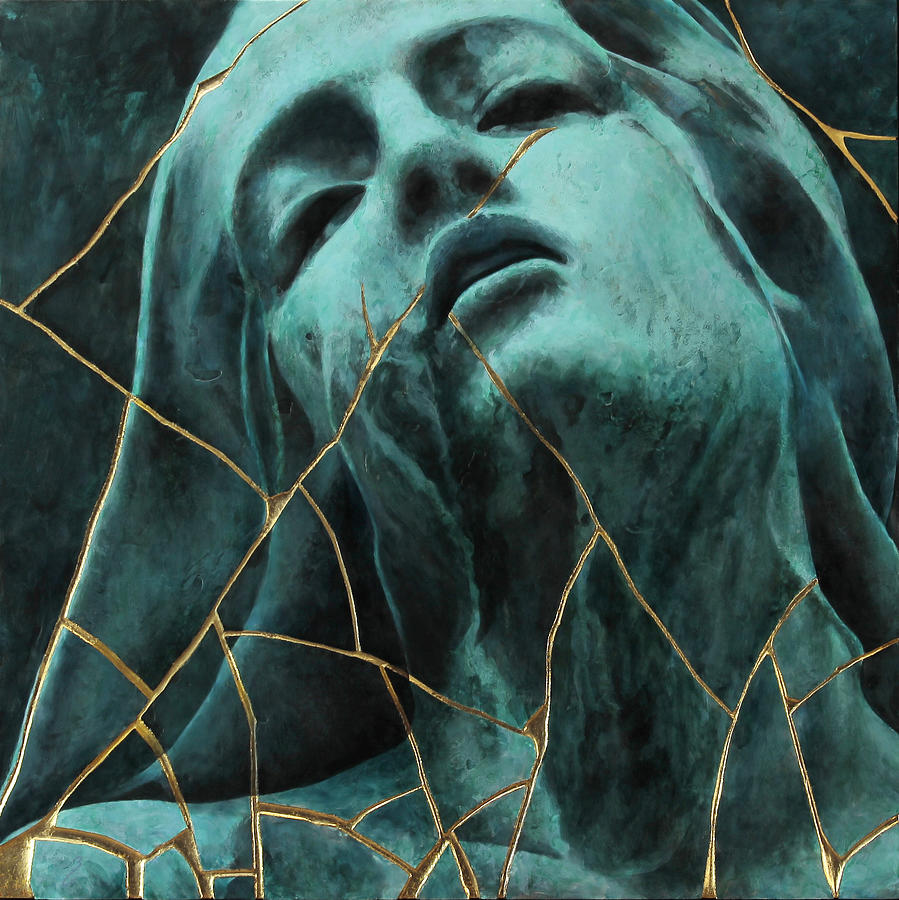
In this post we dive into what it means to have a fragmented perception of ourselves and our surroundings, and trace the cracks to find out how deep these might reach.
When is the moment we know to discard a belief that no longer serves us? Is it a hard boundary to be crossed? Or can the belief be so integral to our everyday existence that it has become our normal, and therefore we don’t question it? Previous years have been a hunt for answers to many questions life brings. And varying as these questions may be, looking past generalising or dismissive answers they seem to all highlight the same issue: an inability to recognise and work with complexity and interconnectedness. Much like an itch that cannot be scratched!
Our well-developed scientific fields have educated specialists that can identify all individual parts of a body or system, but not many that clearly see the woven web between the parts. Maybe they would not be called specialists. As we see a rising need for ‘system thinkers’ and ‘holistic practitioners’ in all fields, it is emphasised how our perfectly structured functions of society do not always function well during times of rapid transformations: they are rigid.
Reason for me to title this blog post ‘fractured’ is that it implies the fragmentation of something otherwise ‘whole’. I see fragmentation everywhere, also in myself, as it is part of the Human experience. It shows in how we perceive our internal world, and all aspects of the Self, which projects outward into our external world. If we would discard the dark and cracked glasses we are wearing, perhaps we could see that in many ways our ‘normal’ serves neither our planet’s or our own well-being.

The Bodymind
As mentioned in the first chapter of this explorative journey, perhaps the most obvious divide we subject ourselves to is that of ‘body’ and ‘mind’. Both are undeniably part of you. Doctors, researchers and physicians are primarily trained to focus on one or the other, and not much time is spent looking for inconvenient connections: current methods may prove insufficient! Could it be that our measuring, reasoning and knowing cannot account for ‘invisible’ things that are well and truly happening?
Our definition of being ‘of good health’ (originally meaning ‘whole’) is slowly shifting. Not many people are taught to listen to their body and speak its subtle language. We often suppress its whispers, override warnings, and essentially force our body to shout in order to be heard. When suffering from bodily symptoms of sickness we rarely look for a psychological or emotional cause, and vice versa. Our fractured sciences have only recently begun to examine if physical symptoms of disease could be an expression of chronic mental strain, or even suppressed emotions, and find out just how deep these are intertwined.
Below I quoted a part from The Myth of Normal by physician Gabor Maté:
“For me, the process of putting the pieces together began several decades ago when, on a hunch, I went beyond the standard repertoire of dry doctorly questions about symptom presentation and medical history to ask my patients about the larger context for their illnesses: their lives. I am grateful for what these men and women taught me through how they lived and died, suffered and recovered, and through the stories they shared with me. The core of it, which accords entirely with what the science shows, is this: health and illness are not random states in a particular body or body part. They are, in fact, an expression of an entire life lived, one that cannot, in turn, be understood in isolation: it is influenced by—or better yet, it arises from—a web of circumstances, relationships, events, and experiences.”
As modern science is catching up with a knowing as old as civilization, older cultures have never stopped practising the art of healing in a holistic way. Lacking our methods and framework they are not limited by them, and have other ways of knowing. When visiting an Ayurvedic healer they can apply therapies ranging from herbal medicine and specific diets, to meditation, yoga and massage. A Chinese medicine man or woman may work with similar remedies to restore balance. Both treat the person as a whole rather than just their illness.

(Our) Nature
Further tracing the cracks of fragmentation we reach an even deeper level: that of your ego. This is your conscious realm, in which we dominantly believe the ‘self’ exists and where your identity is constructed. Rational society has a clear preference for qualities that will help a person become what is considered to be successful. Because of life’s experiences, some aspects of your personality may have become more prominent than others, whereas you tend to hide the parts of yourself that have caused you pain.
We appear far more complex than most man-made systems and surroundings are designed for. There is little time and space for our more loving, nurturing and vulnerable parts. In a similar way there is often no room at all for emotions that are deemed unpleasant or inappropriate, like fear, sadness, grief, anger or jealousy — so what remains? Instead of suppressing these emotions we would benefit from creating spaces that allow us to appear whole, and learn how to express our deepest fears and desires, so that repressed emotions do not manifest as either a mental or physical illness later in life.
In The Myth of Normal, Gabor Maté coins the theory of tension between the needs for attachment (being cared for and belonging) and authenticity (showing one’s true feelings):
“Although both needs are essential, there is a pecking order: in the first phase of life, attachment unfailingly tops the bill. So when the two come into conflict in a child’s life, the outcome is well-nigh predetermined. If the choice is between “hiding my feelings, even from myself, and getting the basic care I need” and “being myself
and going without,” I’m going to pick that first option every single time. Thus our real selves are leveraged bit by bit in a tragic transaction where we secure our physical or emotional survival by relinquishing who we are and how we feel.”We come into this world as deeply feeling creatures. The ‘language’ we are born with is that of emotion and intuition. However, as soon as our intellect starts to develop we learn to override those. Is it possible that we have not just become estranged from Nature, but from our own nature as well?
We are our World
When thinking of the ‘self’, we usually assume this ‘self’ ends at our skin. A defined border. But experientially, the line between our ‘self’ and our ‘surroundings’ are much more ambiguous. Our existence is deeply relational. We are bodies and world shaping each other as we live and transform. Everything outside our skin defines us as much as what is kept inside. We like to believe we are self-made, but are much more our surroundings than we may want to admit. These surroundings are shaped by our practices, which are in turn shaped by our values, hopes and dreams. Or, in some cases, our worst fears.
Think for a moment about the qualities that are usually prescribed to ‘human nature’. In our part of the world these tend to be individualistic and self-centred rather than self-less and community-focussed qualities. Again, this is unique to our culture. We have evolved for billions of years to become the Homo sapiens we are today: a species made to connect and belong to a tight community. At the same time our nature is malleable. We are masters at adaptation; at suppressing parts of ourselves to get the care we need, which is what made us thrive and survive. But surviving does not mean living a fulfilling life.
Living through changeable times of anthropogenic climate change and global crises, natural and social sciences start merging into an understanding of what on Earth is happening. Are we hurting ourselves the same way we are hurting our world? What do our dominant beliefs — that Nature is to be controlled and conquered, and that something has to be useful in order to exist — say about how we see ourselves? There is an urgent need to view our human and planetary crises as connected rather than separate failing systems. To paraphrase Maté, it could be concluded that these are all normal functions to be expected from systems that are built on abnormal and unnatural ideologies.
When looking for new truths and solutions to our problems, instead of only looking ahead (more development and growth) I believe we should not disregard where we came from. Older ways of being may still carry truth; old knowledge may have answers to modern problems. Cultures that view themselves as belonging to and of Nature know different ways of living, loving and caring. Historically we have labelled some of these ‘uncivilised’. Turning this around and looking at how we practise ‘civilisation’, it could very well be said that ‘to be civilised’ is to kill and suppress essential parts of ourselves; to cut us off from (our) Nature and to exclaim that, from here on, we are self-made! No longer living with life’s natural flows and cycles we found synthetic cures for isolated ailments, our quality of life is measured by the length of it, and death is our final defeat. This has me wondering how other ways of being may influence my lived and felt experience on Earth.
Kintsugi: The Art of Mending
Everything written above shines a light on the complexity, relationality and interconnectedness of our existence. It illuminates a woven web between seemingly individual bodies, but also poses new questions. How are the internal and external linked? How do we bridge these gaps in practice? A starting point would be to apply a systemic or holistic approach. Dare to question yourself and others from a place of love and curiosity. Keep an open mind. To solve complex issues, system thinkers learn to map out systems with all their parts, hierarchies and interrelations. These are always simplified and reduced versions of reality. A friend came up with a tasty analogy for interdisciplinary practice: collaboration to solve complex issues is much like a potluck dinner party where everyone brings a dish to the table; we all have different specialties, but together we make sure everyone eats!
Essentially we are moving from a fractured view, where we are reduced to (our) parts, to a holistic view in which we can be both whole as parts and simultaneously be part of a larger whole. This transcends the holistic principle and forms the base of newer concepts that overcome the dichotomy, or dualism, between ‘parts’ and ‘wholes’. An example I like is a ‘holon’ of which the following description can be found on Wikipedia:
A holon (Greek: ὅλον, from ὅλος, holos, ‘whole’ and -ον, -on, ‘part’) is something that is simultaneously a whole in and of itself, as well as a part of a larger whole. In other words, holons can be understood as the constituent part–wholes of a hierarchy. The term was coined by Arthur Koestler in The Ghost in the Machine (1967). In Koestler’s formulations, a holon is something that has integrity and identity while simultaneously being a part of a larger system; it is a subsystem of a greater system.
Changing the glasses through which you perceive the world can be a strenuous process, especially if you have worn them for as long as you can remember. It shatters what you thought to be true, and when you have recovered from that shock comes the search for new truths. Following chapters will explore some seeds that I believe to have much potential. I really hope to have you with me!
Love from a fellow wanderer,
Nina
More Chapters
-
From Anthropocentrism to Ecocentrism
Here you can find the summary of (and link to) my published master thesis for Sustainable Development featuring the art of Arno Rafael Minkkinen. Summary This thesis researches main values… read more ꩜
-
Chapter 8: Earth, my home and body
This post means to wrap up a journey that started long before my studies in Sustainable Development; and one that will continue to become long after. It has been almost… read more ꩜
-
Chapter 7: Being with Change
“If you think of what we’re all going to encounter in the next ten, twenty years, in terms of environmental devastation, which we know is gonna happen, it’s very much… read more ꩜
-
Chapter 6: Embodying our relation with Earth
How much do you feel part of Nature? How essential do you think your body and its senses are in connecting to your environment? This article shares practices and insights… read more ꩜
-
Chapter 5: Eco-Everything
As we see the prefix ‘eco’ being added onto more and more things, I wonder when this will become superfluous in a new ‘normal’. Placing oneself amongst likeminded people, let’s… read more ꩜
-
Chapter 4: Destinations
How do you navigate through the world, what is your vehicle, and who drives it? Whether you believe in linear or non-linear timelines, singular or multiple dimensions, there is a… read more ꩜
-
-
Spring with Nettle
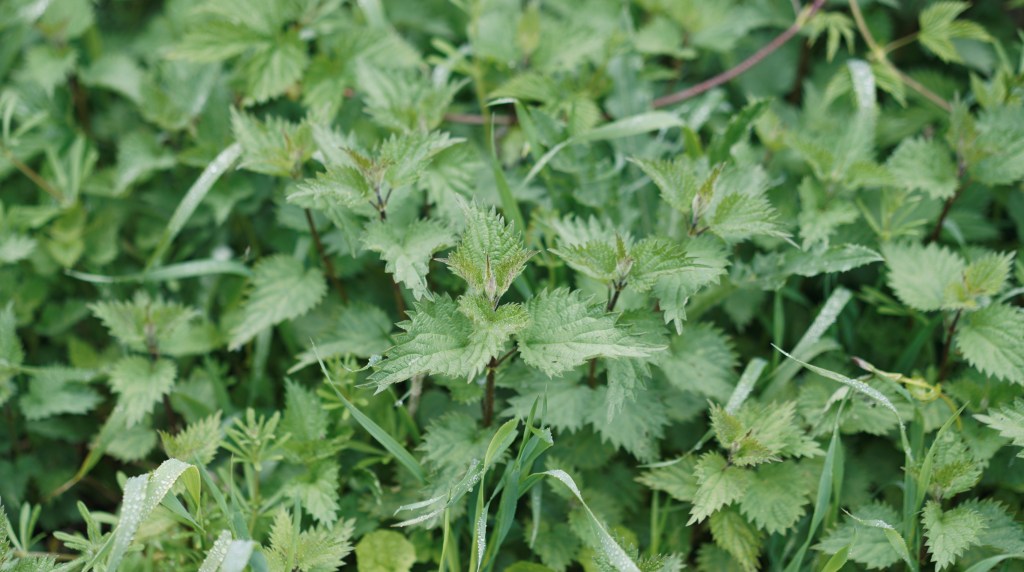
Stinging Nettle (Urtica dioica)
Spring has finally emerged and the stinging nettle has sprung up with it. The past week here in the east of the UK where I’m based has been an explosion of growth and my little house and the land I live on are completely surrounded by lush greenery and the pleasant scent of fresh nettles. After a long, tough, and dormant winter, this burst of energy is a big-time joy for my community and I. Nettle is showing up amongst us as a reminder of fierceness and vitality as well as gentleness and nourishment. They are one of our most abundant and well-defined plants, readily available for everyone to enjoy and serve us both as a highly nutritious food and powerful medicine. It makes so much sense to me why nature is gifting us this plant after a long winter and I would for that reason like to share some of my favourite uses and benefits of nettles in the hope of encouraging those who are not familiar with the plant to give it a try.
Benefits
Nettles are bursting with energy, minerals and vitamins right now that provide nourishment, tone and strength to the body. Rich in calcium, iron, silica, sulphur, protein and vitamin A, K, and C stinging nettle makes a true beauty herb excellent to strengthen hair, skin, and nails. Nettle has tonic and cleansing properties and improves the elimination of toxins in the body, improves circulation and nourishes the blood. When consumed regularly this can help us clear up dark circles under the eyes, treat acne and eczema, strengthen us and give us a general healthy boost of energy and a shimmering glow.
With its nutrient-dense qualities, I believe nettle is of great support leading up to and during a woman’s period. It gives us that extra boost of well-needed iron and is known to alleviate the symptoms of PMS and also menopause.
For those struggling with allergies such as hay fever stinging nettle may help relieve the common symptoms of sneezing, itching, and congestion as it reduces the amount of histamine the body produces in response to an allergen. If pollen is your enemy now, or before the season starts rather, is the perfect time to start drinking nettle tea or juice up to three times a day and keep it up until the season ends. This should reduce the severity of your symptoms.
With anti-inflammatory properties, nettle can help reduce inflammation in the body and is useful in treating conditions such as arthritis, gout, and other inflammatory conditions. With diuretic properties, it promotes urinary health and helps treat urinary tract infections, kidney stones, and other urinary problems. It has also been used to treat symptoms of an enlarged prostate, such as difficulty urinating and frequent urination. I won’t go over the depth of nettle’s medicinal powers for these conditions, however, information is easy to find in books and online and I can highly recommend you watch this video where herbalist Jim Mcdonald in his lovely free-spirited and story-telling ways teaches us more about nettle.
Stinging nettle is considered a safe herb for both internal and external use. However, if you would like to use it medicinally and/or in place of other medication you should always consult your physician beforehand.
Identify and Harvest
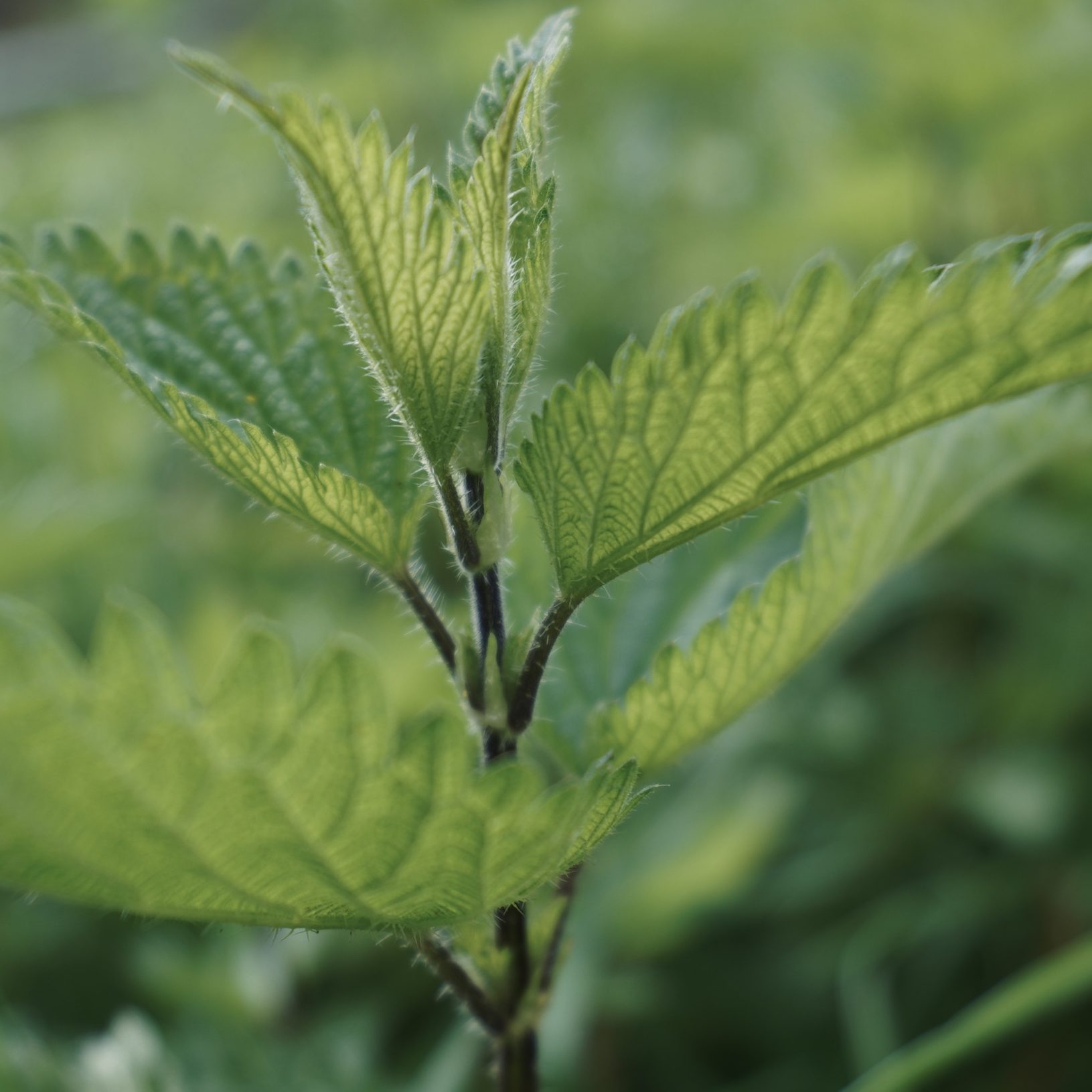
Touch it and it will tell you! Hehe.. It’s called stinging nettle for a reason. The stems and underside of the leaves are covered in tiny, hair-like structures that release a painful sting when touched. The leaves are serrated and heart-shaped with a pointed tip and although green in colour can sometimes show a tint of deep purple. Same goes for the stem, it’s very pretty. Now in spring, the plant is only about 30cm tall but can grow up to almost 2 metres in the summer.
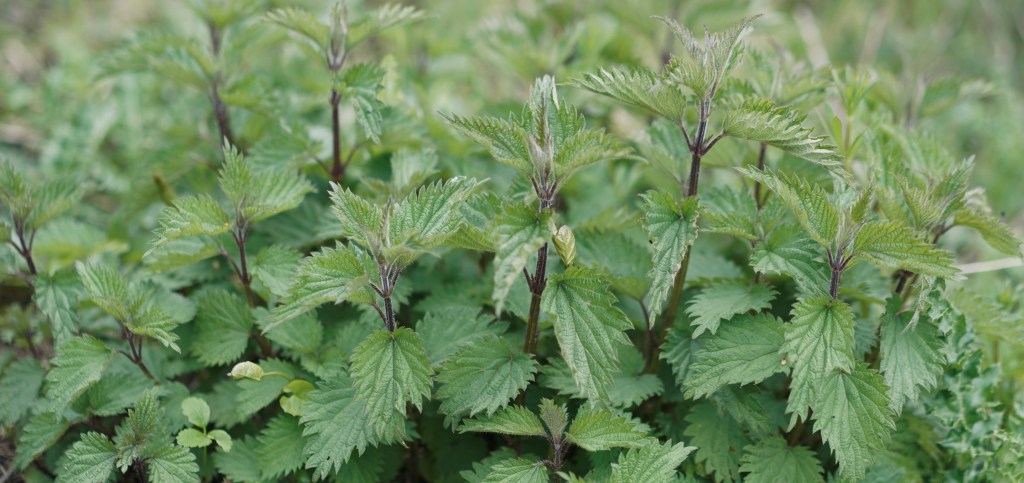
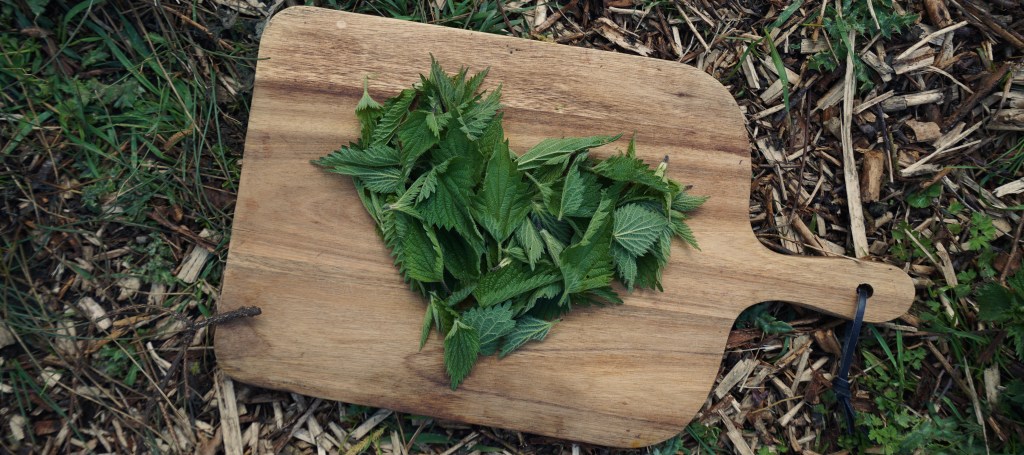
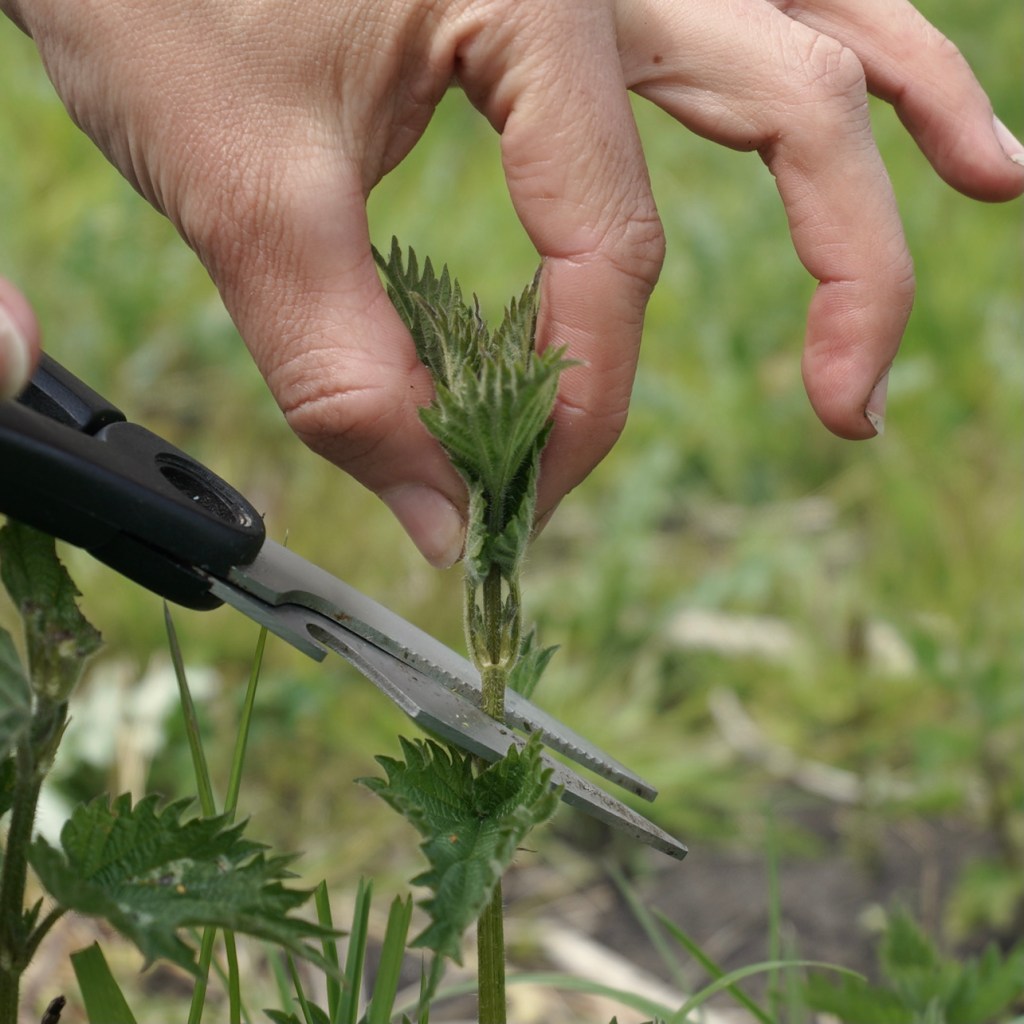
I prefer to harvest nettle in the late morning after all the morning dew has dried up, you never want to harvest a wet plant. Afternoons and evenings are also okay for harvesting though herbs tend to be more potent earlier in the day. Never get carried away and collect all nettle you find but remember to leave enough for others and for the plant to survive and reproduce. You may want to wear gloves to avoid being stung, however, I’ve found that if you with a gently firm grip grab a hold of its leaves and along its hairs, it won’t sting you. I tend to cut off the very top leaves and stems, about 10cm, with a pair of scissors for my harvest but the whole plant can be used. Before I start preparing medicine or food with my harvested nettles I make sure to spread them out on a tray or the like and leave them for a few minutes to allow any poor little insect that accidentally got harvested to crawl off and thrive elsewhere.
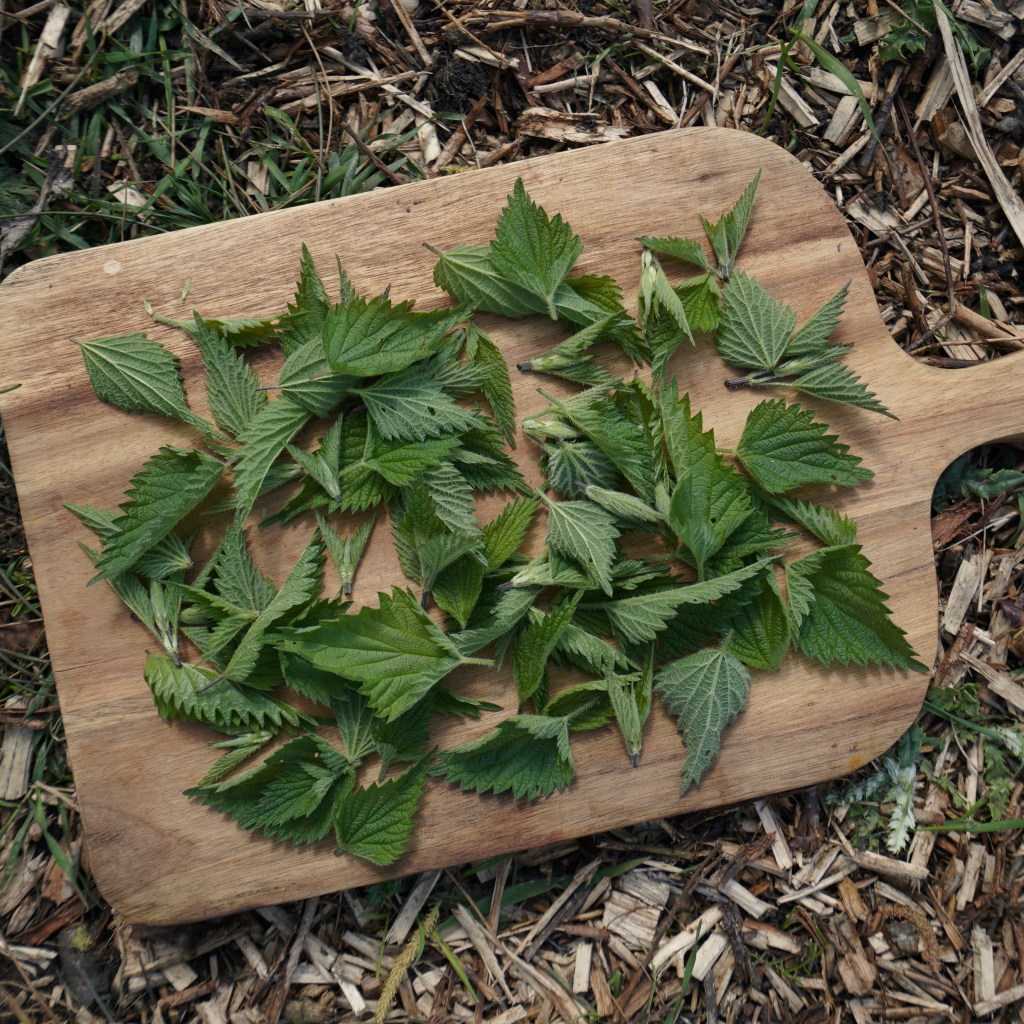
Creative Cooking
I personally think nettle leaves have a pleasant taste and would encourage everyone to add them to their cooking. As long as you make sure to blanch or cook thoroughly to kill the sting nettle leaves can be used to replace spinach in any recipe. You can also “kill” the sting by pinching the leaves and add them to salads. I like to add leaves to lasagna, pasta sauces, fried rice dishes, stews, quiches, bread or make nettle soup and pesto, the list never ends. I won’t be sharing any food recipes with you because, frankly, I don’t have any. I go by feel and the use of my senses when I cook with herbs. If you find this a little bit scary I would suggest you, as I already mentioned, start by replacing any cooked spinach recipes with nettle leaves. The internet is also, as always, a brilliant source for inspiring recipes.
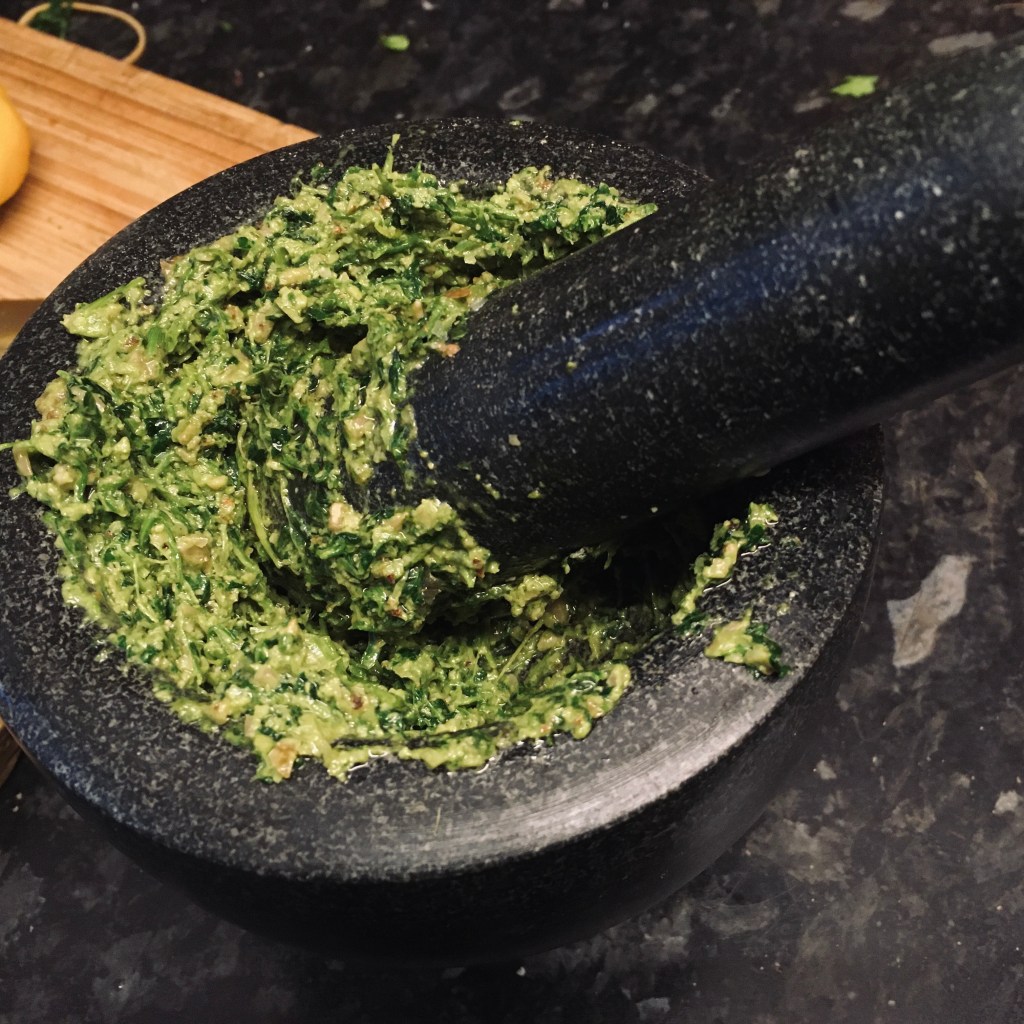
Chunky nettle pesto 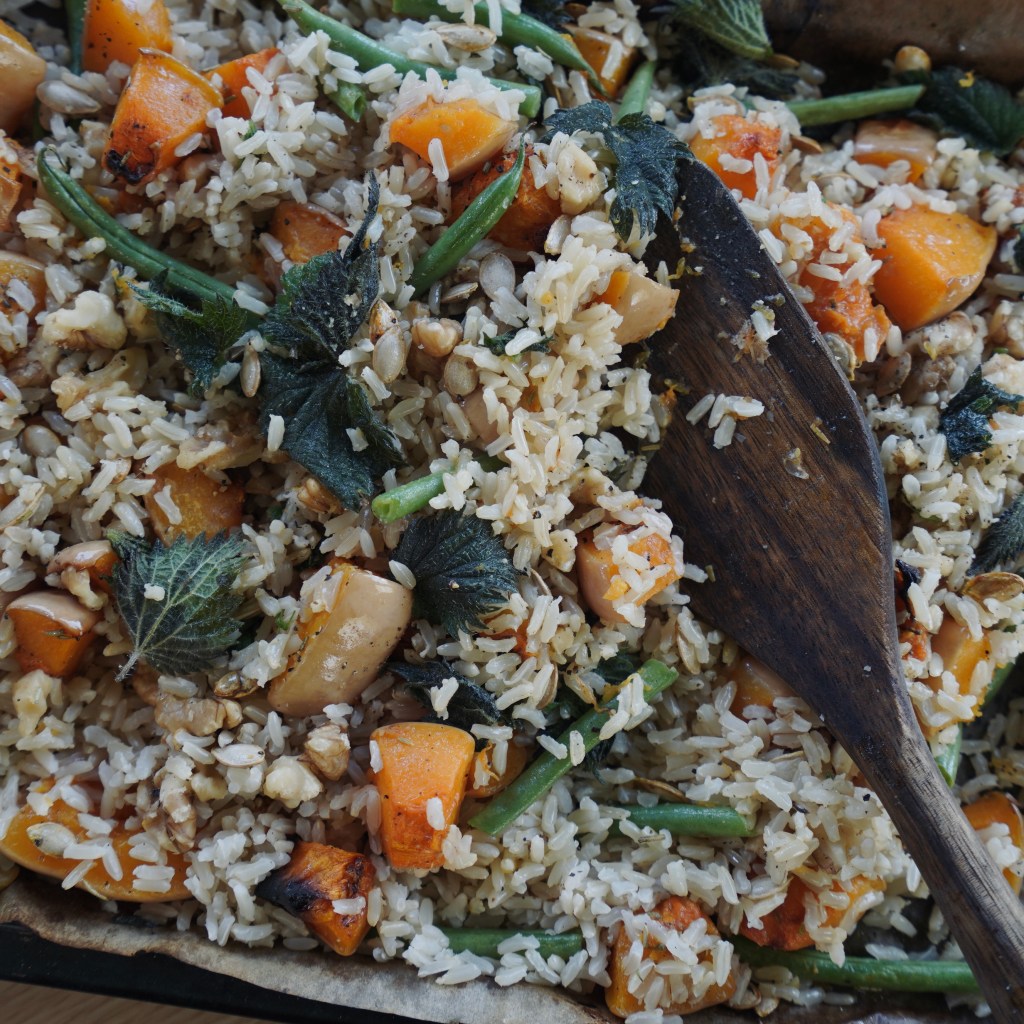
Nettle in roasted veg salad 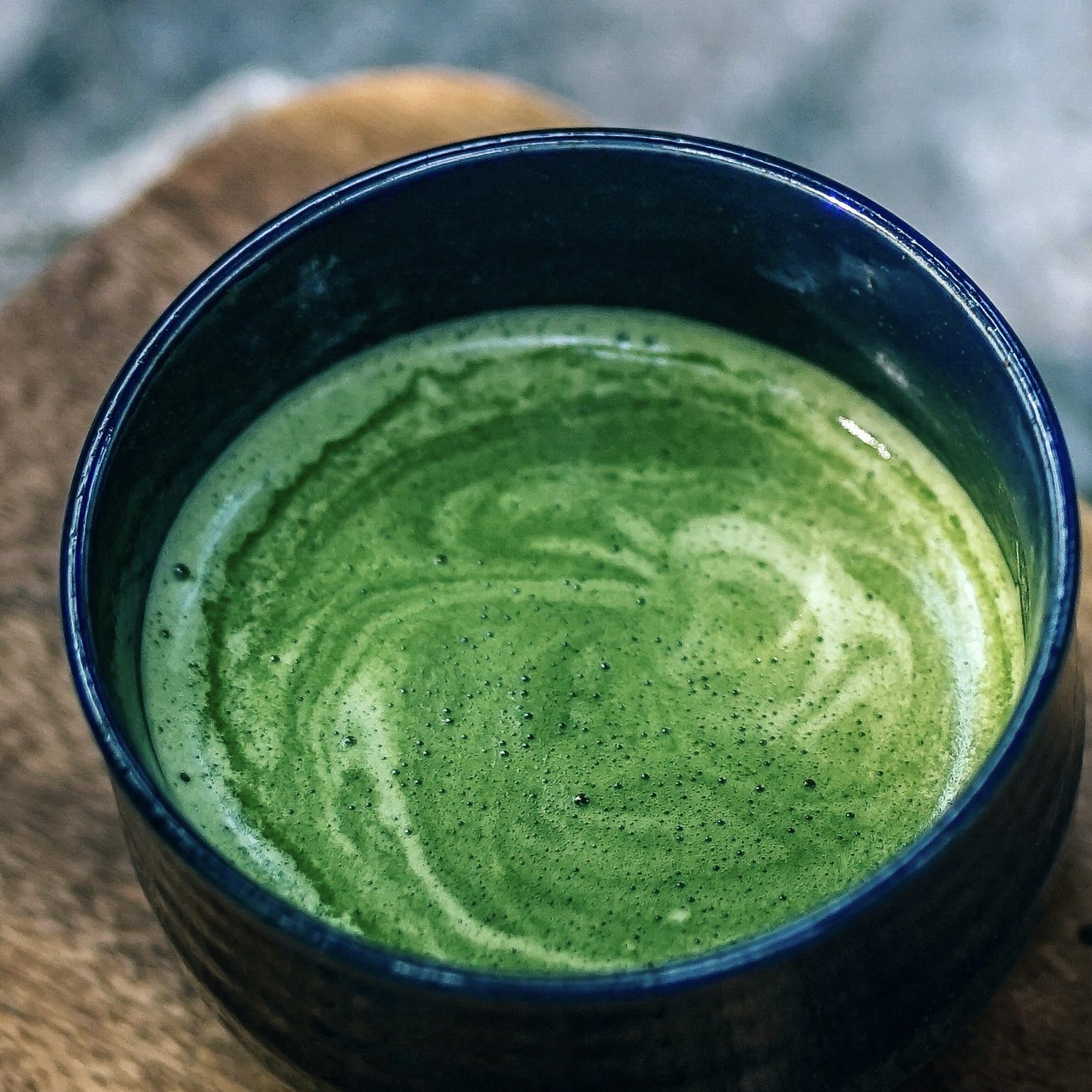
Creamy nettle soup Experimental Juicing
Making juice with spring greens is easy, fun, yummy and super healthy! I like to pick a mix of nettle leaves, lemon balm, black currant leaves, and hawthorn leaves which I then blend in a mixer with water and lemon, fresh apple juice or elderflower cordial and strain through a sieve making sure to press all the juice out. Sometimes I sweeten it with honey. It is so fresh and nourishing! You can be very experimental here and get juicing with whichever edible plant catches your eye. The more concentrated juice the more brown in colour it’ll be. A weaker juice will have a lovely vibrant green colour unlike in the photos below. If you’re into smoothies I‘m sure chucking in a few nettle leaves in your blend will have a similar effect.

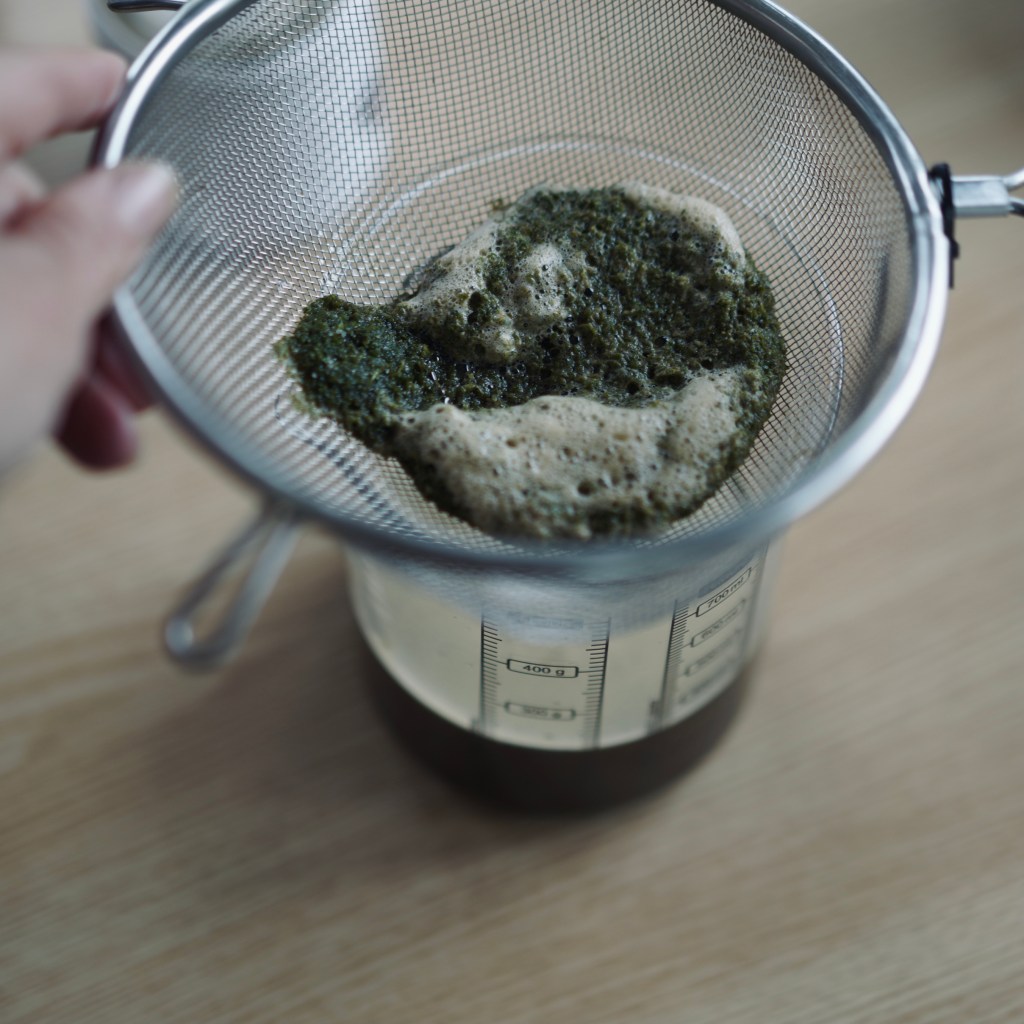
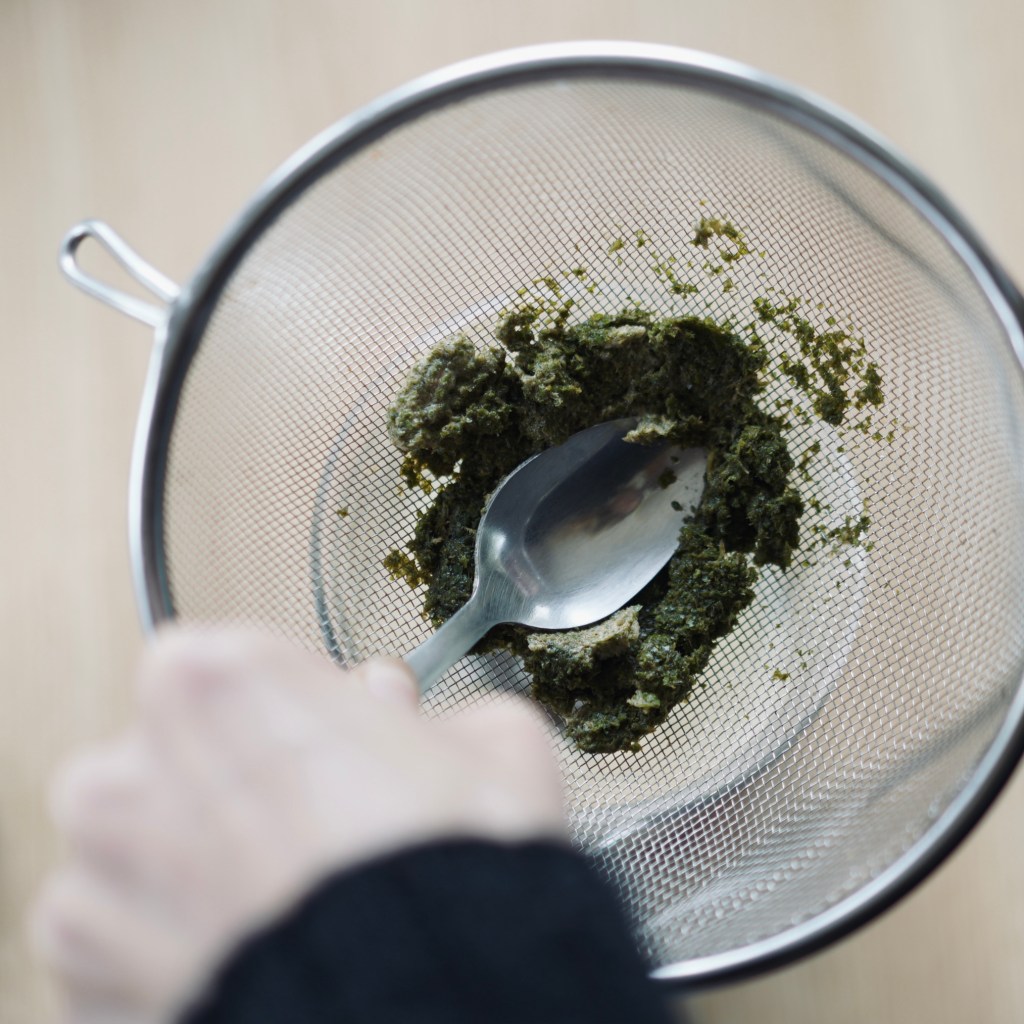
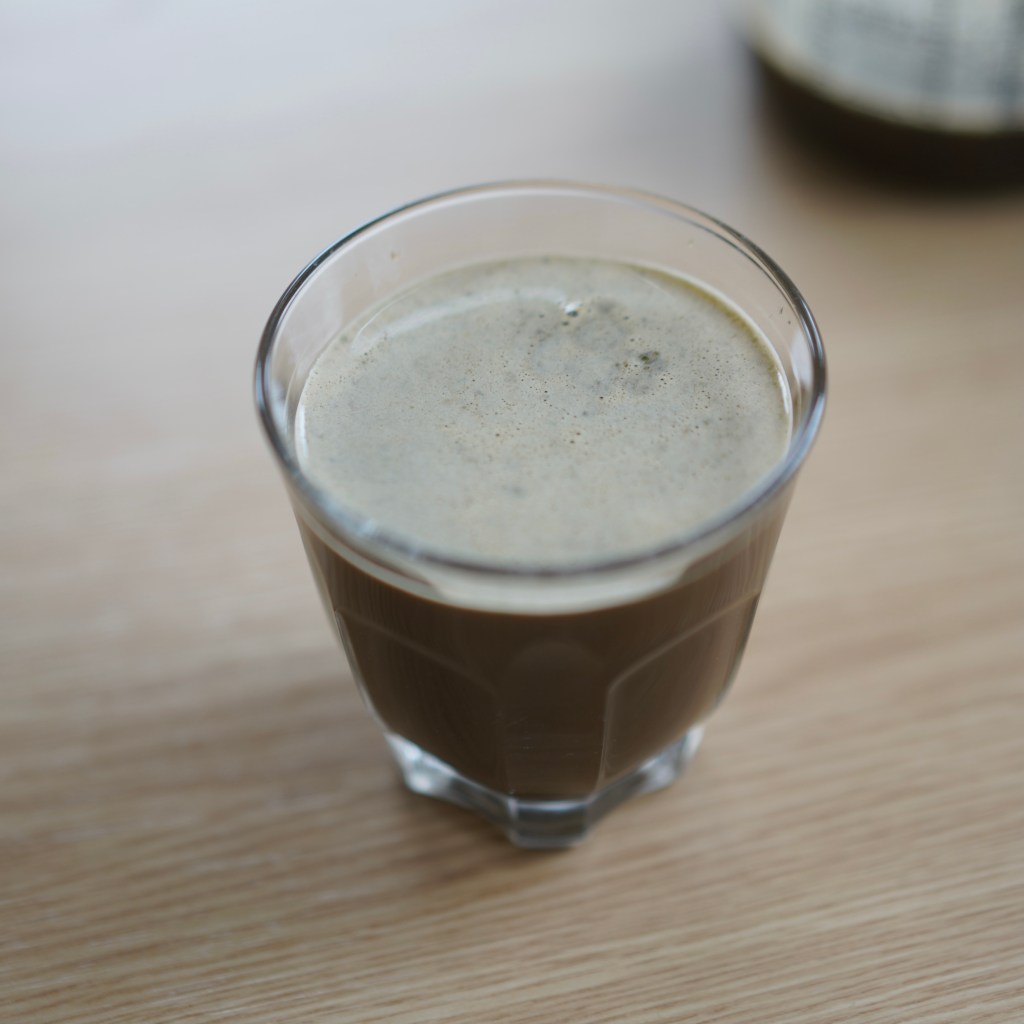
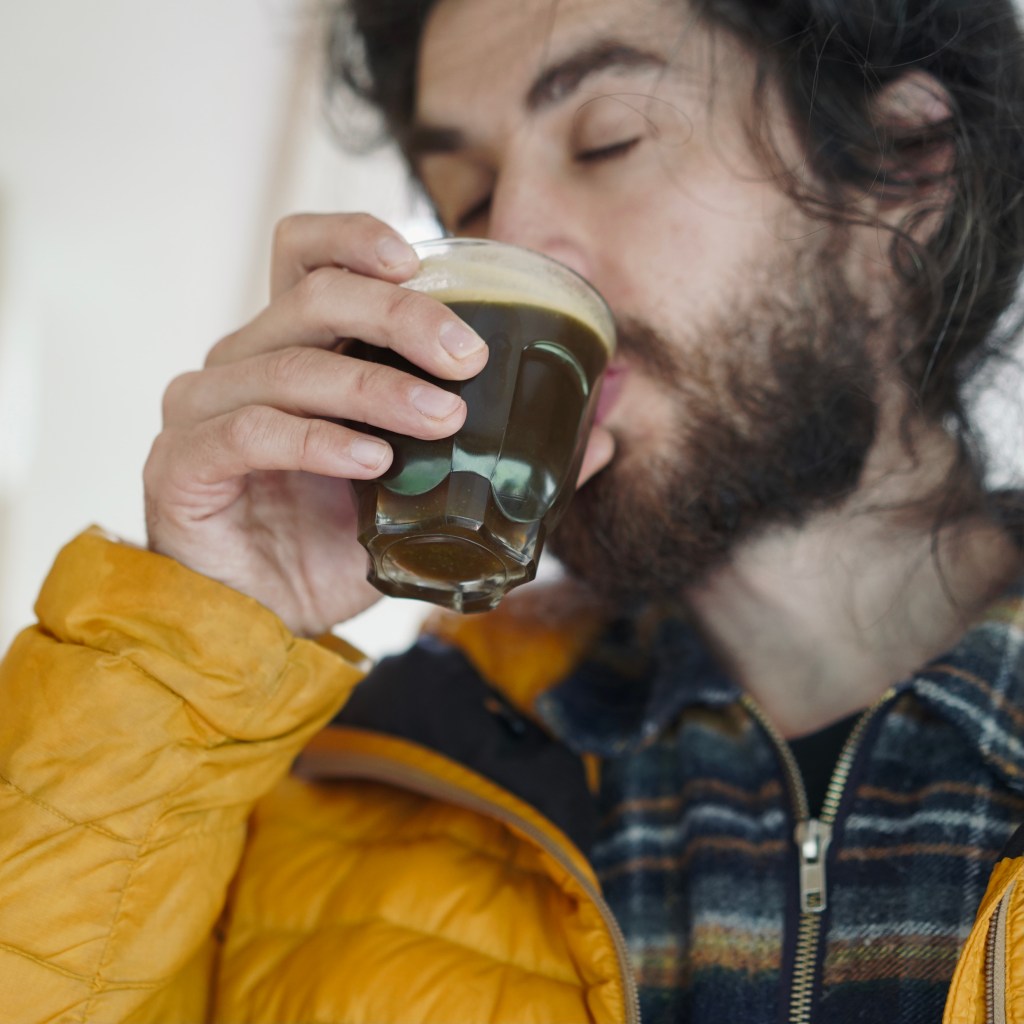
If the unsightly brown colour puts you off, try drink with your eyes shut and let the flavour prove you different. Traditional Infusing
Infusions are a great way of enjoying and preserving our nettles and are how most herbal medicine was traditionally made and used. By macerating plant material into a solvent, we allow for the plant, in this case stinging nettle, to relieve its active ingredients into the solvent to ultimately carry its medicinal properties. I have three favourite solvents for nettle that I use on a regular basis and below I’ve listed how we can benefit from using them.
Water a.k.a Tea
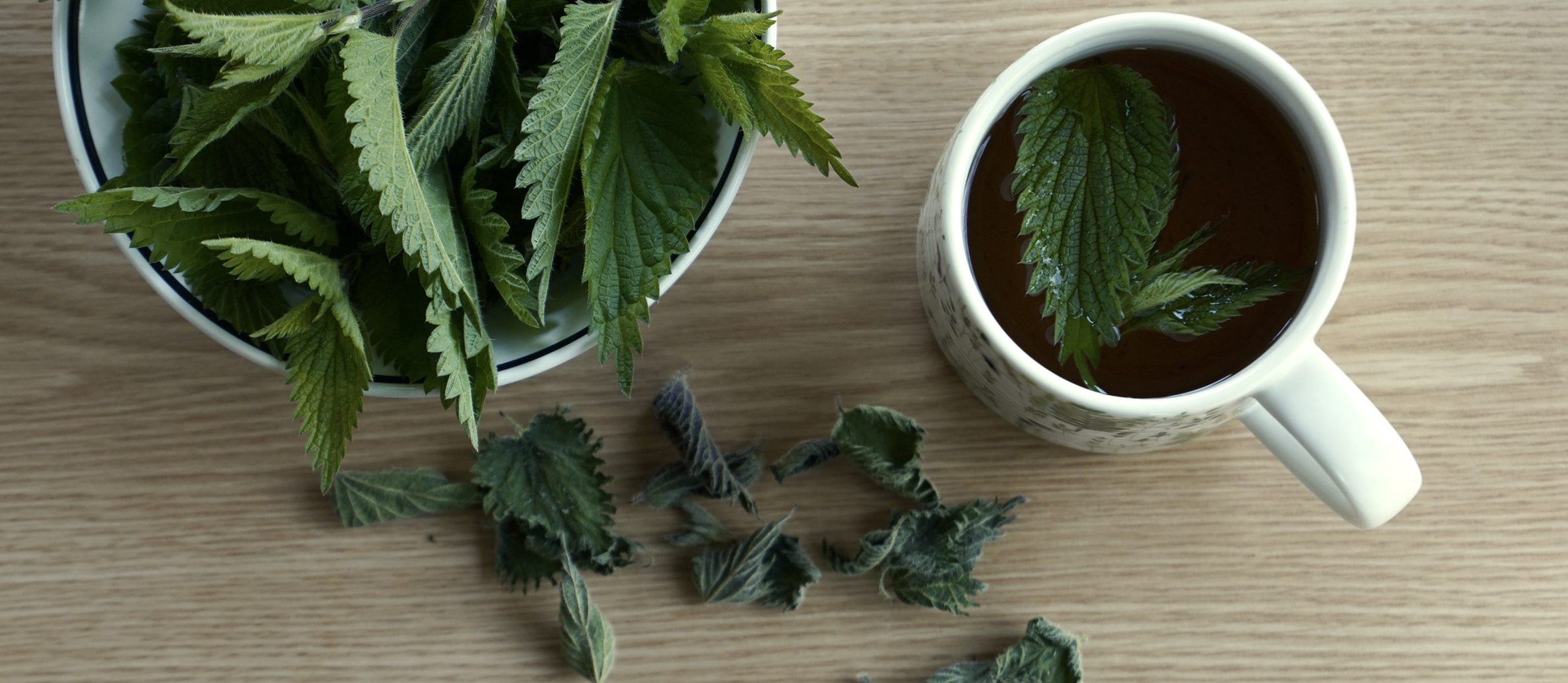
What we commonly refer to as herbal tea is actually a herbal infusion – herbs infused in hot water. This can be made with both fresh and dried nettle, however, I prefer to infuse fresh nettle now when they’re in season and save my dried leaves for the winter. I would use around four teaspoons of fresh nettles for every cup of hot water or half the amount of dried nettles as when dried is more concentrated. Let your nettle leaves infuse for at least 15 minutes to get all its goodness absorbed into your water. Drink nettle tea on a regular basis for nourishment and vitality or to relieve allergy symptoms, inflammation, skin problems and benefit from all its other properties .
Oil
If you know me somewhat, you will be aware of my passion for infusing herbs into oil, and nettle is no exception. Nettle infused oil can be used topically as a massage oil to relieve sore muscles and inflammation. It can be applied to itchy skin from bug bites or some cases of eczema and can be used on hair and scalp and beard for healthy growth and shine. Choose olive oil as your carrier oil and you can use it internally on salads or in cooking. If you’ve never made a herb infused oil before check out my step-by-step guide on how to make them.
Vinegar
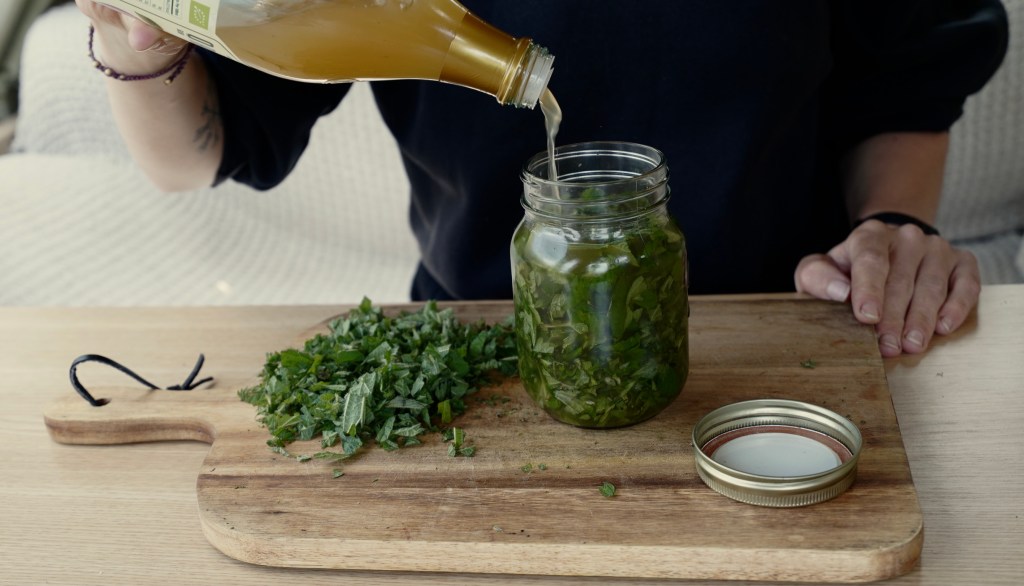
Infusing nettle in vinegar is a great choice for increasing and preserving its nourishing, cleansing and detoxifying properties as vinegar alone also holds these qualities. In my opinion organic apple cider vinegar with the mother is always the best option. Make a salad dressing with it, drink it in hot water or use it as a health boost morning shot. I always have nettle-infused vinegar on hand to rinse my hair and scalp with every fortnight. With a ratio of about two tablespoons of nettle vinegar to two cups of warm water I rinse my scalp and hair after having shampooed, leave it in for a few minutes and rinse it out. The vinegar helps remove buildup and restore the scalp’s natural acid mantle and may treat an itchy scalp, dandruff, and dull hair and give it shine. Nettle, with all its nourishing properties, improves hair growth and quality. It’s even known to restore hair loss in balding men. If you suffer from really dry and brittle hair I would not recommend vinegar rinses but use nettle tea the same way instead. Herb-infused vinegars are made the same way as herb-infused oils but using vinegar as the solvent instead of oil. Fresh, slightly wilted plant material works just as well as dry. You can add other herbs to this rinse for example rosemary for even more hair growth and fresh scent and chamomile to lighten blonde hair.
One Last Thing..
I must not forget! If you’ve dried your nettle leaves you can powder them and use as a supportive mineral supplement. The powder can be added to any cake, bread, pancake, energy ball or chocolate truffle recipe, used in cooking, made into herb salt, or sprinkled onto porridge or cereal. There really are no limits!
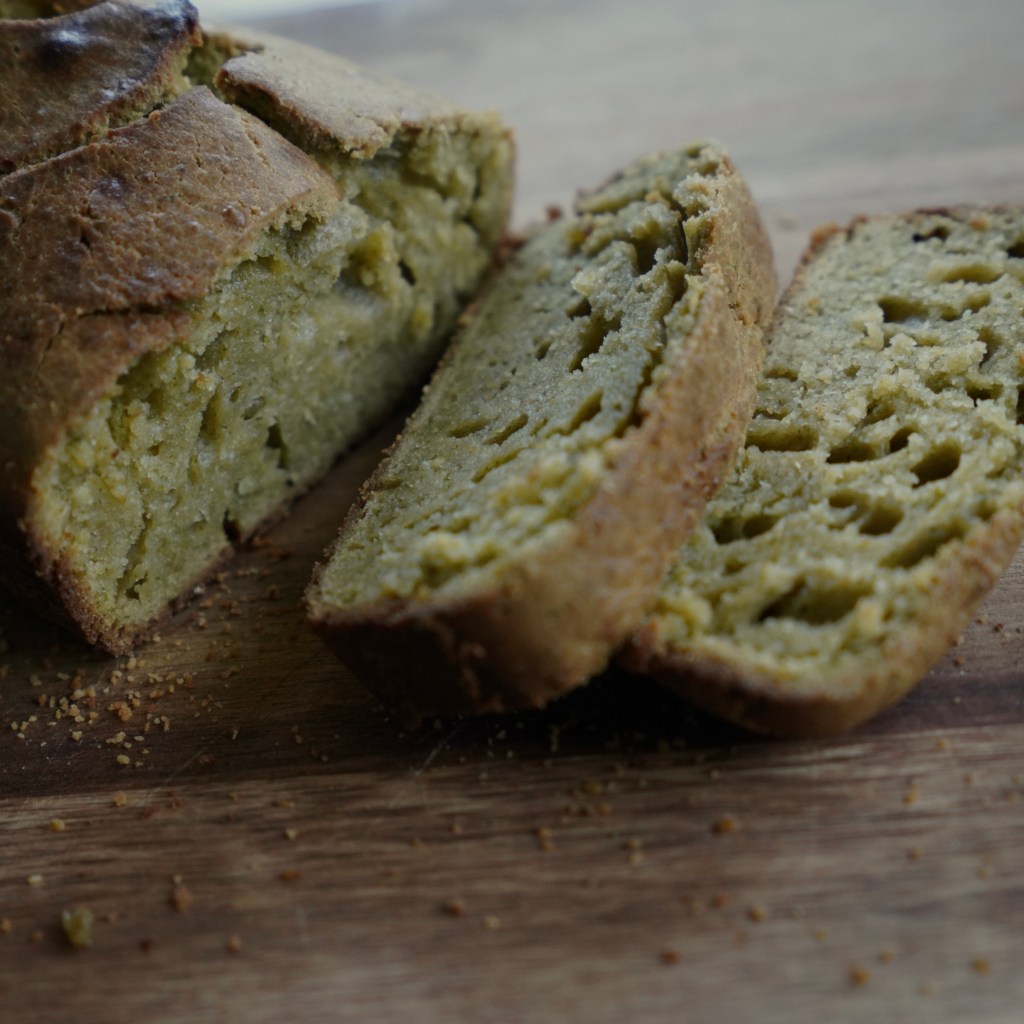
Lemon cake with a green nettle tint 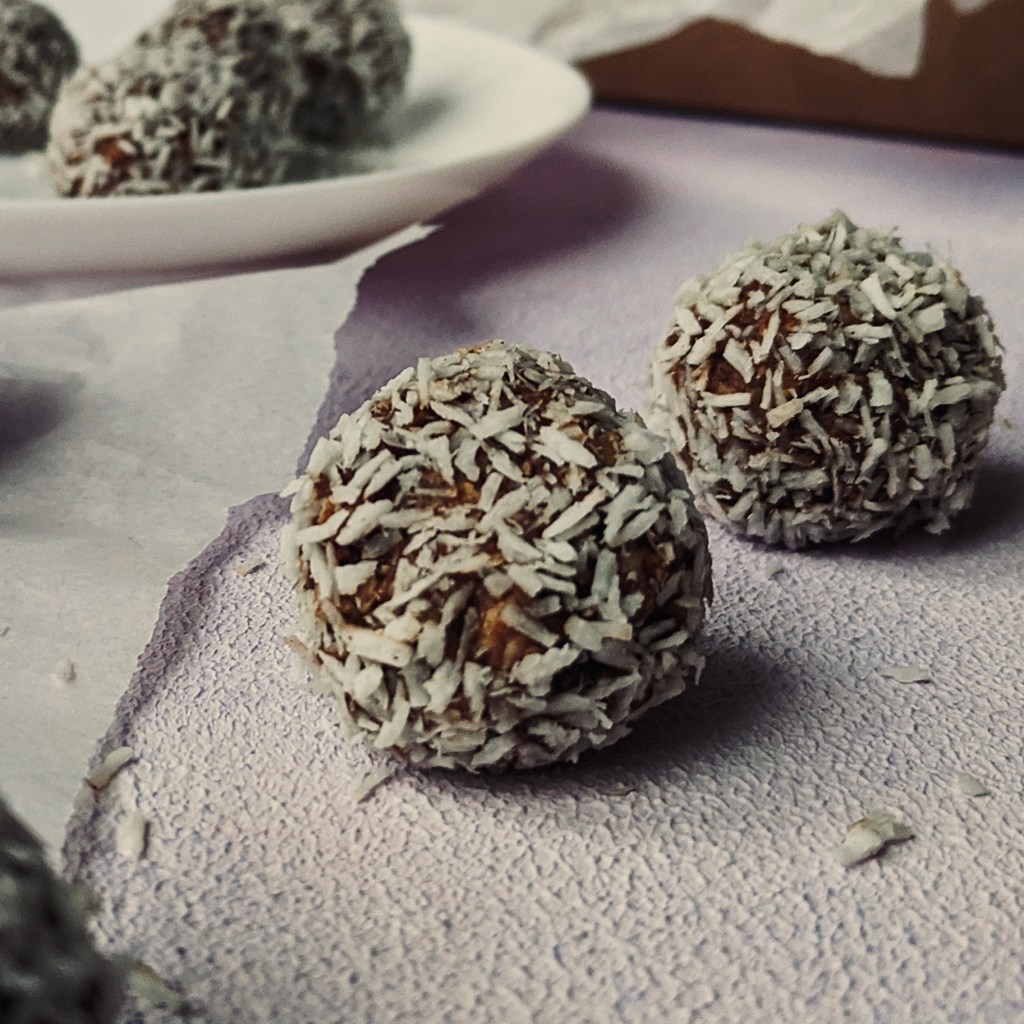
Herby energy packed chocolate balls On that sweet note, I hope you feel just as inspired as I do to befriend the stinging nettles around you and let them help you bring yourself out of winter dormancy and into a new season full of energy, motivation, inspiration, love and joy!
With Love,
Sarah Águsta
-
Love For Coffee
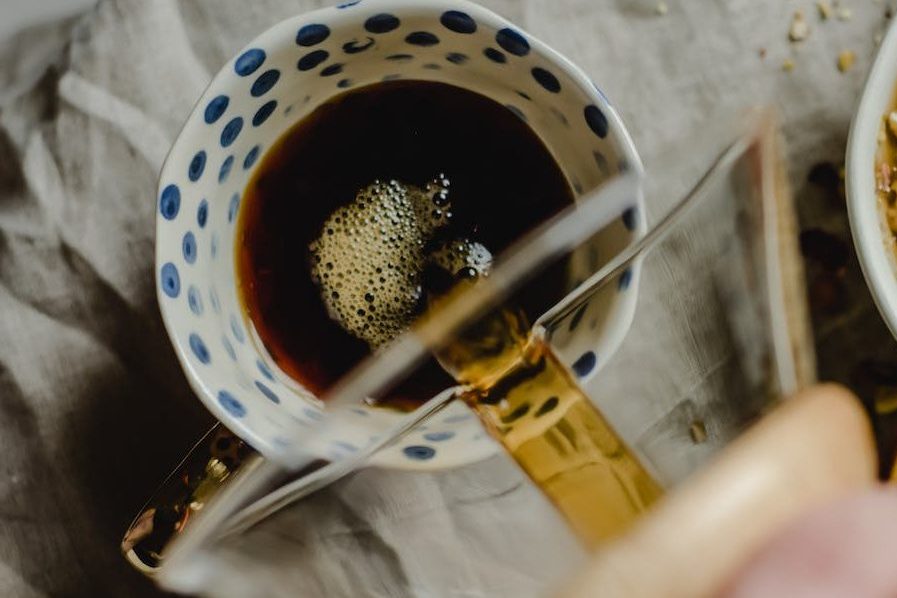
Mmmm coffee coffee coffee, my guilty pleasure precious coffee! I absolutely love coffee and would drink it all day every day if I could. Being one of the most widely used herbal remedies and an in-depth studied plant for its high caffeine content pick-me-up qualities and adverse effects on health, I would like to explore coffee in its whole complete form, how it has been used in the past and how we can safely enjoy drinking and benefitting from it moving forward.
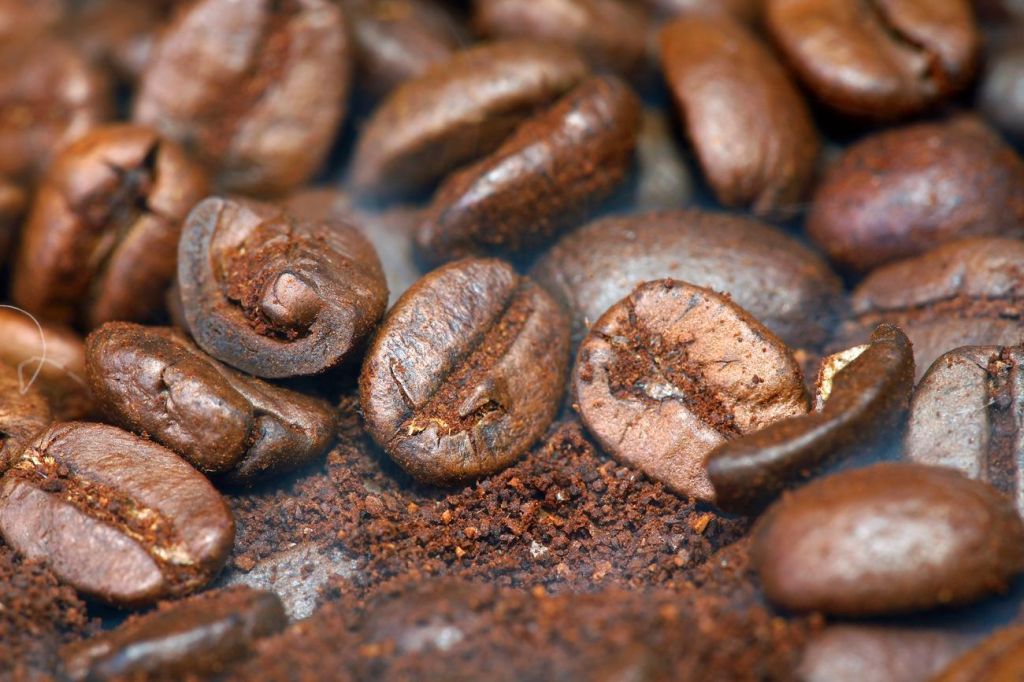
A Grand History
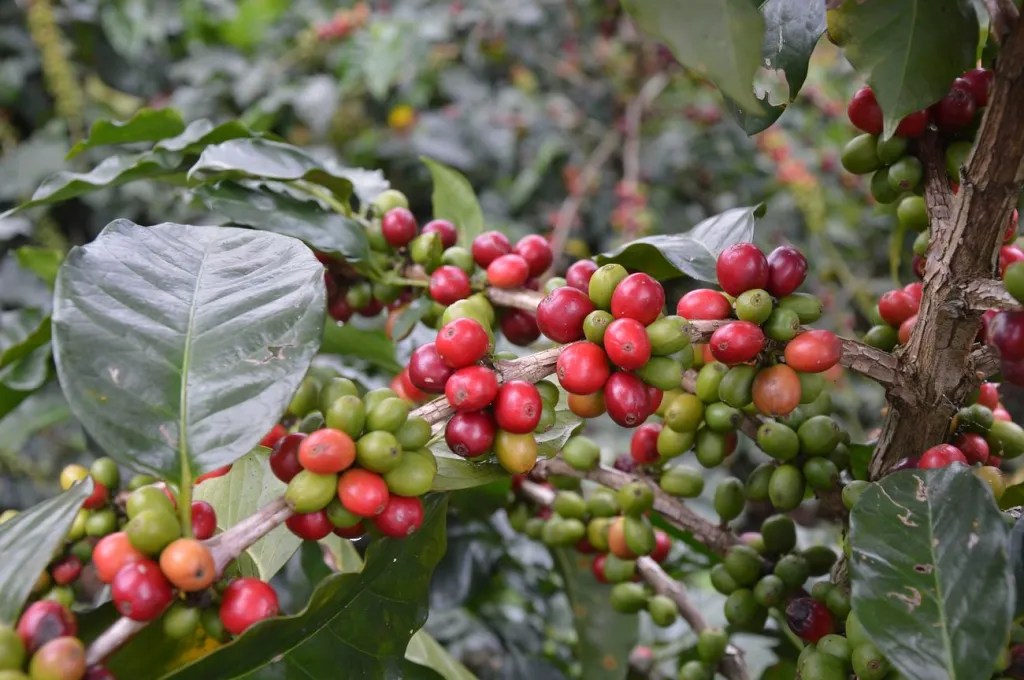
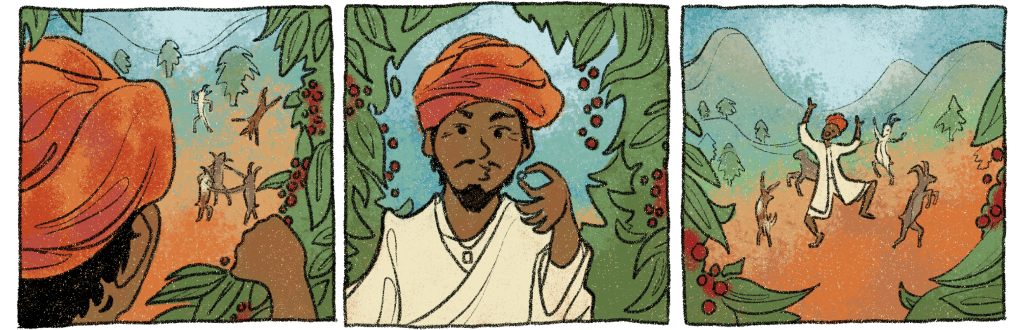
The coffee plant is native to northern Africa, in what is now known as the highlands of Ethiopia. Legend has it that sometime between the 6th and 9th century a goatherd one day lost his herd to later be found in a mountain forest nibbling on the leaves and berries of a shrub while cheerfully dancing and playing with an energy he had never seen before. Intrigued by the goats’ peculiar behaviour, the goatherd himself tried a leaf and berry and not long after joined his herd in exuberant dance. The goatherd reported his discovery to his local monastery and monks started making a drink with the berries as they found it kept them alert through the long hours of evening prayer. The energising effects of the coffee plant began to spread and apparently became Ethiopia’s native stimulant, a source of energy and inspiration for dance and art. Whether this is true or not I love the thought of goats being to thank for my favourite drink.
Fast-forward a good few years, to the 15th century more precisely, the love for coffee had spread and established in the middle east, the Arabian peninsula. The Arabs had discovered the delicious outcome of roasting and brewing the coffee seeds (“beans”) into a dark beverage which was now enjoyed in homes and in Qaveh Khaneh – public coffee houses that had appeared in cities and become the meet-up point for all kinds of social activity.
European travellers to Arabia brought their amazement of coffee back to their motherlands and by the 17th century, this delicious energising drink had made its way up to Turkey, Italy and the rest of Europe. Coffee became everyone’s drink of choice and coffee houses were put in place for men to meet and discuss intellectual topics. It was touted to “quicken the spirits”, “lighten the heart”, and improve digestion and all kinds of inflammation among many other things. Coffee wasn’t only met with praise and glory, however. Christians were suspicious of the black drink and called it “the bitter invention of Satan” until the pope at the time had a good sip and found it so satisfying that he decided to have the beans baptised in order to officially announce coffee as a satan-free beverage.

Year 1652, London – A snippet out of the first ever coffee ad, promoting several health benefits of which many are not of appropriate claim today. This, now baptised, invention of satan continued to take the world by storm as the demand increased. Ways of cultivating coffee outside of Arabia were the main topic at coffee meetings and in the latter half of the 17th century, the Dutch finally got hold of seeds and had great success with growing coffee shrubs on the island of Java, now Indonesia, to begin a thriving trade. Seeds and plants of coffee continued exploring new habitats via missionaries and travellers, traders and colonists who planted them worldwide. New nations, including Brazil and Colombia, were established in coffee economies and by the end of the 18th century, coffee had become one of the world’s most profitable export crops and as you might know, still is today.
The Medicine in the Brew
If you are a coffee drinker I’m certain that you are aware of at least one of the drink’s many properties, have noticed and benefitted from them and perhaps even experienced the not-so-nice effects of overdosing. Simply explained, Coffee is a pretty strong stimulant. It stimulates the energy, mental alertness, digestion and circulation within us and when correctly dosed, also has a way of improving our sociability and self-confidence and can create a feeling of mild euphoria.
Coffee contains a large amount of the bioactive compound caffeine and is packed with antioxidants. Let’s briefly go over what they do inside us when we enjoy a cup.
Caffeine – A central nervous system stimulant that accesses the bloodstream within 45 minutes of intake. It acts by blocking the receptors for the neurotransmitter in the brain called adenosine, which promotes calm and sleepiness. In turn, it increases levels of other neurotransmitters that regulate our energy and feeling of well-being levels, including dopamine and norepinephrine. With the ability to constrict blood vessels in the brain, caffeine can reduce the severe pain of migraine. It’s a cardiovascular stimulant and may strengthen the heart by causing it to contract with more force. By relaxing the smooth muscle of the lungs and opening up bronchial tubes, caffeine improves breathing. It can increase motility in the colon hence speeding up digestion. Overconsumption may cause agitation, anxiety, tremors, palpitation, digestive problems and insomnia.
Antioxidants – Including chlorogenic, ferulic, caffeic, and n-coumaric acids and melanoidins make up a large amount of the powerful health benefits in roasted coffee. They restore and protect our cells from the inevitable damaging effects of daily life and cancel out harmful chemicals from our bodies. This, among other things, helps us sustain energy, keeps us young and alert, and has through various studies shown to lower the risk of heart disease, type 2 diabetes, dementia, and fatty liver disease in regular coffee drinkers. While the accuracy of these studies can be questioned, we do know for certain that coffee contains extremely large amounts of antioxidants, more than most of our so-called “superfoods” e.g. blueberries, kale, and green tea.
So, when properly consumed, coffee can actually provide a remedy for a few common health problems. Aside from its impressive effects on the mind, which I’ve covered below, a cup of coffee may relieve headaches and migraines, give relief to blocked sinuses in people with allergy, make it easier for asthmatic people to breathe, and relieve mild constipation.
Boost the Mind
For those not responding negatively to coffee’s psychoactive substance caffeine, drinking coffee (in moderation!!) can be a powerful tool to overcome cognitive challenges and help get you out of brain fog and sluggishness. When the caffeine in your coffee is absorbed into your bloodstream and reaches your brain, it can enhance cognitive function and boost your alertness, focus, and memory recall. This is thought to be due to the increase in activity of our happy neurotransmitters dopamine and norepinephrine. These are also believed to be the reason for the coffee-induced improvements in self-confidence and sociability. By boosting energy and motivation levels and reducing inhibitions and social anxiety, coffee can, when moderately consumed, help you feel more comfortable and at ease in social situations while also giving you the extra jolt you need to finish that important assignment, weed your long overdue garden, meet your dogs energy level for walkies, or whatever job you happen to be procrastinating.
Sustain and Balance the Boost
By slowing down the caffeine absorption into the bloodstream one can avoid the uncontrollable spike of energy to the brain and nerves sometimes experienced and instead have the stimulating effects be less intense but last longer. Fat magically helps us with this! Fat takes longer to digest and absorb than caffeine and when added to your coffee slows down the release of caffeine into your bloodstream, leading to a more sustained and balanced energy boost. Many of you are already implementing this by adding milk or cream to your coffee but if you’re not into that then coconut oil, butter and ghee are also great options. You may have heard of “Bulletproof Coffee” where coffee is blended with grass-fed butter or coconut oil to create a creamy beverage. This is often used as a pre-workout supplement and has gained popularity to extend the boost of energy, focus, and mental clarity of coffee itself.
I enjoy my coffee strong and bitter and am not a fan of the change in flavour that fat brings to it. What I am a big fan of, however, and would like to recommend is adding cardamom to your brew. a few crushed cardamom pods added to the jug gives such a lovely sweet and pungent flavour to the coffee and, although has no scientific evidence, has traditionally been used to balance the overstimulating effects of caffeine. While cardamom has no direct impact on caffeine absorption like fats, it does have calming and anti-stress and anxiety properties which may help to counteract the effects of caffeine and reduce any potential uncontrollable energy spike. Try it!
Don’t Overdose
With coffee being an incredibly powerful herb it will also come with contraindications. It is important to note that excessive consumption can have its toll on health and may lead to some pretty severe side effects. These may include:
- Anxiety, nervousness, and jitters which although temporary can be rather unpleasant.
- Insomnia, especially when consumed in the late afternoon.
- Digestive problems such as acid reflux, heartburn, and diarrhoea.
- Headaches, although rare, are triggered in some people.
- Increased heart rate and blood pressure, which can be dangerous for those with existing cardiovascular conditions.
- Addiction and withdrawal with symptoms such as headache, fatigue, and irritability if consumption is suddenly stopped.
- Pregnancy complications hence should, if at all, be used sparingly and limited to one cup per day.
Everyone responds differently to coffee, and some people are more sensitive to its effects than others. It’s generally recommended that adults consume no more than four cups of coffee per day though I personally feel the jitters after two strong cups and would never exceed them. With trial and error, you will find which amount is right for you, however, if you find yourself dependent on the drink to get you going throughout the day I would recommend you look over your habits. As a rule of thumb, it’s never a good idea to consume coffee on an empty stomach or in the late afternoon or evening. Moreover, coffee does inhibit the absorption of iron somewhat hence iron-rich foods or supplements are best taken at least 2 hours before or after your cup of coffee.
Be Ethical
It’s no news that the coffee industry has some shadiness to it with harming the environment, the people involved in its production, or society as a whole. Low wages for farmers, child labour, unsafe working conditions, unfair trade practices, and unsustainable farming practices leading to poverty, injustice, deforestation, water pollution, soil erosion and harm to wildlife are some of the criticisms given. These issues are indeed complex and interconnected, and addressing them requires a multi-faceted approach that involves all stakeholders in the coffee industry to collectively take action. Efforts are thankfully being made to address these issues, with associations including Fair Trade certification and Rainforest Alliance certification. As consumers we, therefore, can and should support by only choosing to purchase coffee that is Fair Trade certified, Rainforest Alliance certified, organic or from small-scale farmers or cooperatives with the right intentions. By doing so we can rest assured that our coffee was produced in an environmentally sustainable and socially responsible way and that the farmers who grew it received fair wages and treatment. Our coffee will taste better and contain more positive energy!

Rest assured you’re making an ethical purchase with these tags. Last Thoughts
In conclusion, coffee is a wonderful herb when consumed in moderation, with or after food, and at the right time of the day. As with any herb, I want to emphasise the importance of intuition when consuming coffee. Listen and feel into your body’s needs in the moment of time. Try no to drink your coffee on the go or in a rushed manner but develop the habit of taking a break and enjoying it in a calm and relaxed environment or with a friend. This way coffee will better work its magic in a healthy and sustainable way.
Coffee and cinnamon buns with my dearests a.k.a Swedish Fika is one of my most desirable coffee moments 🥰 With Love,
Sarah Águsta
-
Chapter 1: How on Earth did we get here?
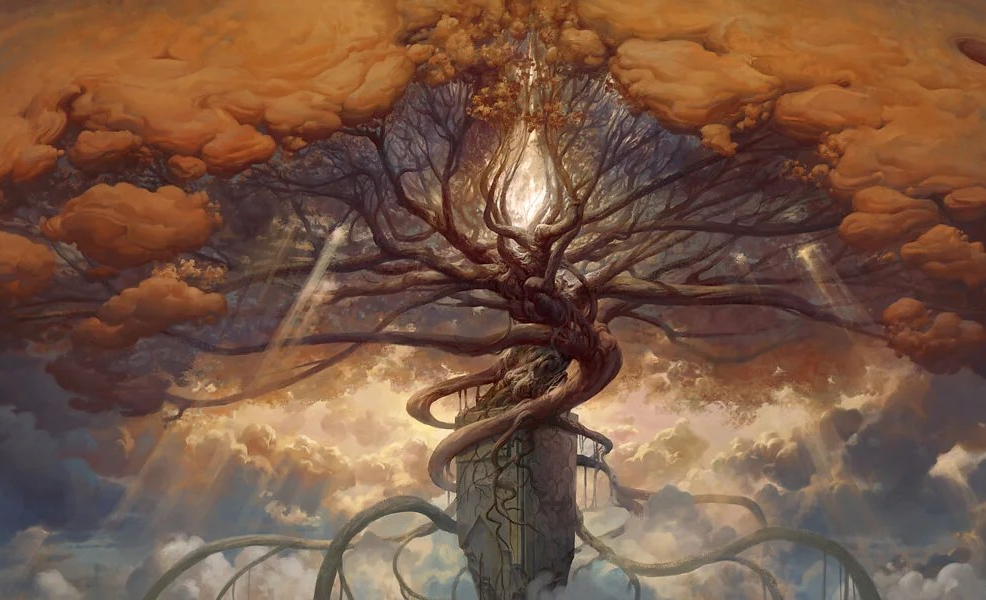
An introduction to a new (or rather ancient) perspective on planetary health, and embarking on a joint journey of discovery.
We find ourselves on a planet that has many secrets still to be uncovered. Think of the depths of the oceans, how fungi communicate, or how the soil seems to store memories. And yet, with every discovery made, every finding placed on a graph, this place seems to become a little less magical. To make sense of the world, matters need simplifying. The danger in this is that we forget the beautiful complexity of the real world around us.
Roughly three years ago I got sucked into a big black hole that is learning about man-made climate change and destruction. I started uncovering layer after layer, trying to get to the root of the problem. Why are we in this crisis? When did we get so disconnected from nature? Why is change happening dreadfully slow? What can I do to help, and also, how do I stay sane? Self-education only takes you so far. It can have you spiral in the wrong direction or simply get you stuck. Both made me wish to be educated in a more secure environment. Last August I started a master programme in sustainable development, for which I moved to Sweden in my wonky home on wheels.
These chapters, of which I have planned nine in total, will be honest reflections on what I learn during this journey of discovery. What I really want is to take you with me down this road, into reimagined futures. For this, we need the same starting position. And that is exactly what this post is meant to be. So let’s rewind!
Rewind
We, Homo sapiens, possess an incredible ability to cooperate and make use of our creative imagination to work towards a shared goal. Which is what we have done since we walked the earth alongside our ancestral siblings. Closing off an era of ice ages about 11,000 years ago, Earth’s climate got relatively stable during what scientists call the Holocene. Since then our agricultural practices have skyrocketed, as have our numbers.
We now live in what is popularly called the Anthropocene, the Era of Men. When exactly we entered this era is a topic for discussion. The name indicates a time where human influences have significant, even irreversible, impact on the planet’s climate and ecosystems. A milestone has been discovering the potential of fossil fuels leading us into a power surge and making us feel unstoppable. Gaining access to such a dense mass of stored energy has enabled us to overcome many natural limitations. Hours of labour were replaced by this finite fuel we burn so cheaply.
Along the way, some of us have lost touch with what really matters, and now confuse the Western standard of living with quality of life. Modern man has become skilful in turning common resources, Earth’s gifts, into commodities to sell. Besides just separating ourselves from non-human life, we are estranged from fellow humankind as well. This enables us to colonise, murder and exploit to ensure our wealth. Growing up in thriving, developed nations in the Northern hemisphere, we aren’t taught to question the cost or origins of what is placed at our feet.
Man versus Nature
Western science has become a dictator in how we experience ourselves and our surroundings. Phenomena are studied as separate from the environment they exist in; interconnections and relations are replaced by boundaries and polar opposites. Our dominant philosophy is rationalism, on which we base most of our systems and intellectual beliefs. Reason is our wielded sword and logic our shield. Emotions and intuition come secondary when perceiving matters, for they are subjective, even deceiving! And so we forget that our living, human experience on Earth is wholly subjective: perceived and felt individually.
This fractured worldview is a relatively recent one, say a few centuries young. There are some who describe this to be the root of many of our crises. Think injustice, ecocide, over extraction, the current energy crisis, and mental health concerns being more norm than exception – to name a few. Once, we believed that mind, body and spirit existed within the same realm. Before Reason became our God and Guru, we too applied a more holistic perspective, as is common in ancient cultures.
The word ‘holism’ comes from the Greek word ‘holos‘, meaning all, entire, total. Holistic philosophy explains that the properties of any system cannot be determined or explained by its parts alone, as the system as a whole influences how these individual parts rank and behave. The term was created by Jan Smuts in his book Holism and Evolution (1926), where he defined it as “the tendency in nature to form wholes that are greater than the sum of the parts through creative evolution”. Aristotle already introduced the principle of what was to become holism in his book Metaphysics (350 BCE) as “the whole is more than the sum of its parts”. Perhaps this knowledge is as old as life itself.
Ecopsychology
One of my classes teaches about ecopsychology, combining (holistic) ecological theories with psychological ones. I was introduced to perspectives on climate change that examine how we have come to place ourselves in the world: superior to nature; estranged and disconnected. This is not to say we all consciously chose this way of living. On the contrary, this worldview has gradually been worked into the cement that binds the bricks of our society. If you have been born in a Western country like myself, this perspective has likely been spoon-fed to you and several generations before you. Is there a chance our beliefs are outdated? Are we in need of something else, to pierce through the shallow veil, and find something deeper and richer?
Parallel to learning about the restoration of our ecosystems is my personal healing and learning process. There are times when I feel how closely these two are intertwined. In Where Psyche Meets Gaia (1995), Theodore Roszak writes the following on restoring Earth and healing the mind:
“We are living in a time when both the Earth and the human species seem to be crying out for a radical readjustment in the scale of our political thought. Is it possible that in this sense the personal and the planetary are pointing the way toward some new basis for sustainable economic and emotional life, a society of good environmental citizenship that can ally the intimately emotional and the vastly biospheric?”
To me, this underlines the urgent need to recognise ourselves as the complex, multi-faceted beings that we are. And in doing that, we will find our natural world to be similarly complex, intelligent, resilient, and wildly beautiful. Such a re-enchantment with the planet housing and feeding us may just inspire to restore her. As well as revive the parts of ourselves that have been tamed, or killed, because stories of never ending progress allow no space for them. So, we will create space. And new stories, too.
Where do we go from here?
Having drawn a connection between our planet’s well-being and our own, this is where I want to leave this post. We have much to learn, but all we can do is try for a best possible future. The fact that so many souls share this sentiment gives me hope, a sense of belonging and connection in itself. I am looking forward to this joint journey of ours: to explore non-ordinary realms, together.
Some academic essays may be uploaded on this platform. My studies have me researching interesting topics! For other posts I will explore future scenarios, question popular beliefs, dive into other worlds and ways of being, and write about reconnecting with both our internal and external realm. Let’s introduce love, magic and kindness back into a world that often appears harsh and uncaring.
With warmth,
Nina
Cover image artwork by Peter Mohrbacher
More Chapters
-
From Anthropocentrism to Ecocentrism
Here you can find the summary of (and link to) my published master thesis for Sustainable Development featuring the art of Arno Rafael Minkkinen. Summary This thesis researches main values… read more ꩜
-
Chapter 8: Earth, my home and body
This post means to wrap up a journey that started long before my studies in Sustainable Development; and one that will continue to become long after. It has been almost… read more ꩜
-
Chapter 7: Being with Change
“If you think of what we’re all going to encounter in the next ten, twenty years, in terms of environmental devastation, which we know is gonna happen, it’s very much… read more ꩜
-
Chapter 6: Embodying our relation with Earth
How much do you feel part of Nature? How essential do you think your body and its senses are in connecting to your environment? This article shares practices and insights… read more ꩜
-
Chapter 5: Eco-Everything
As we see the prefix ‘eco’ being added onto more and more things, I wonder when this will become superfluous in a new ‘normal’. Placing oneself amongst likeminded people, let’s… read more ꩜
-
Chapter 4: Destinations
How do you navigate through the world, what is your vehicle, and who drives it? Whether you believe in linear or non-linear timelines, singular or multiple dimensions, there is a… read more ꩜
-
-
How to Make a Healing Herb-Infused Oil
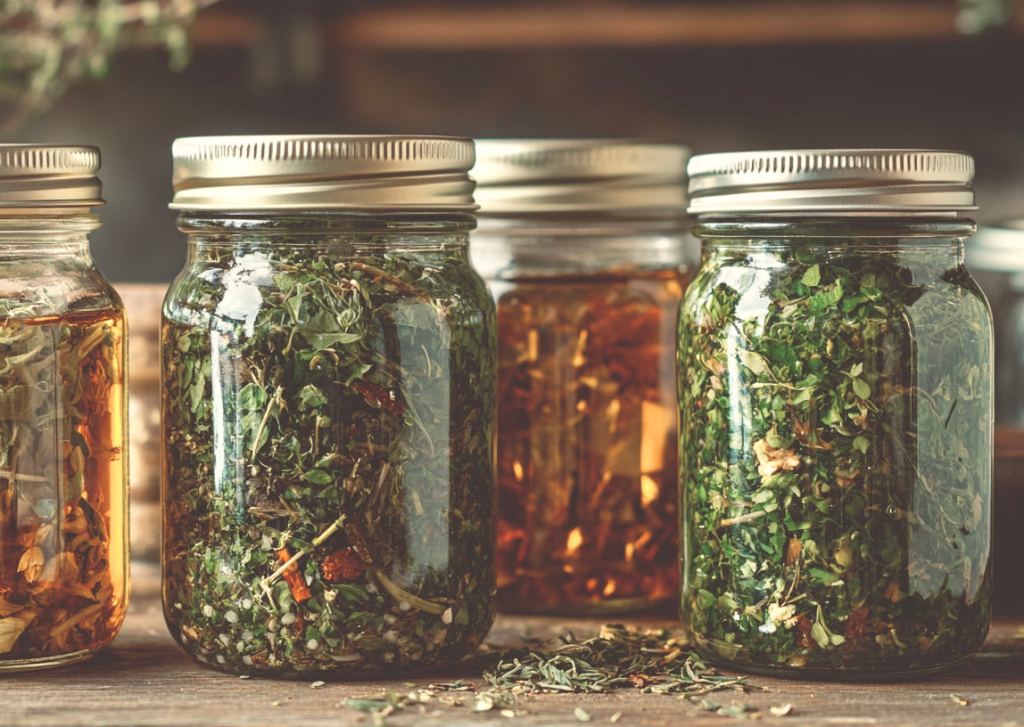
A herb-infused oil is chopped up medicinal plant material steeped in a chosen oil for some time, 4-6 weeks, and then strained through a muslin cloth, with the plant material being disposed of. What is left is an oil which has absorbed lots of medicinal properties from the plant(s) and can be used for cooking, skincare, body care, and emotional and spiritual care depending on which herb(s) have been infused.
Important to mention is I’m NOT talking about Essential oils. They are different to herb-infused oils and should never be used interchangeably.

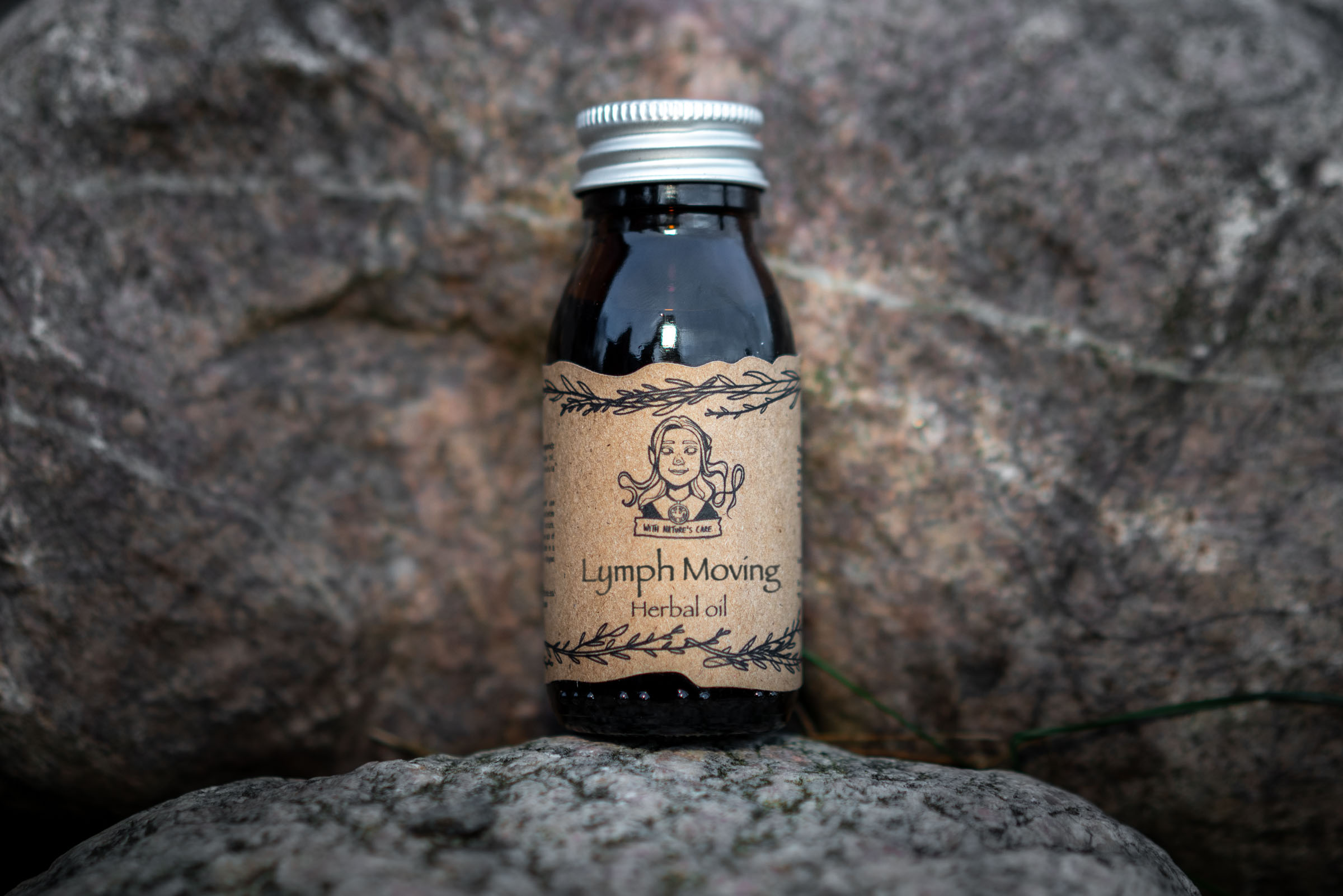
There are many theories and ways to go about when preparing herb-infused oils. As long as you are happy with the result of your herbal oil I believe your way is the right way for you. Below I have given directions for how I make my herbal oils which have the perfect potency, aroma, and taste for my liking.
Step-by-Step instructions
1. Be well prepared and ready with clean, sterilised and dry surfaces to work on, and tools including a jar with a lid, a stick to stir with, and a knife or a blender.
2. Blend or chop your herbs finely and place them in your jar, about 3/4 full. I mainly use dried herbs (with the exception of St. Johns wort (Hypericum perforatum)) as many fresh herbs have high water content which increases the risk of your infusion turning rancid or growing mould.
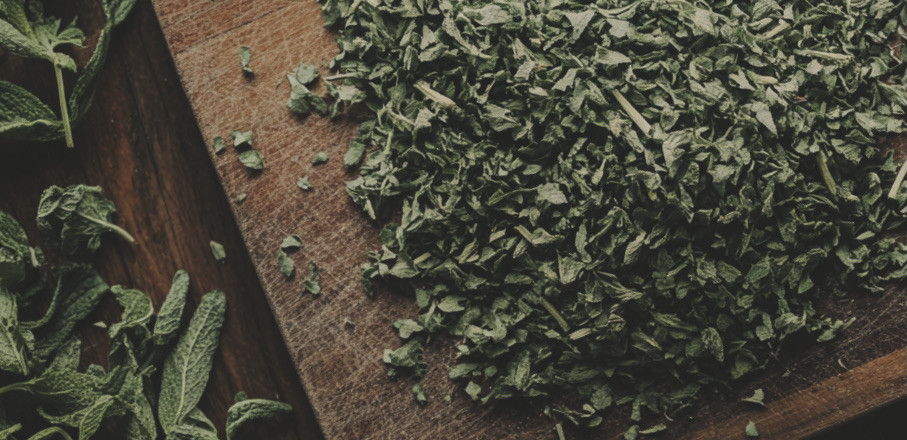
3. Fill the remaining space in the jar with your chosen oil. Olive oil is a good choice for both internal and external use. Make sure all plant material is submerged in the oil and that the jar is filled to the brim. You will need a stick of some sort to stir in the oil to ensure all herbs are covered and no oxygen remains in the jar. When no herbs or air bubbles emerge above the surface you’ve done it right!
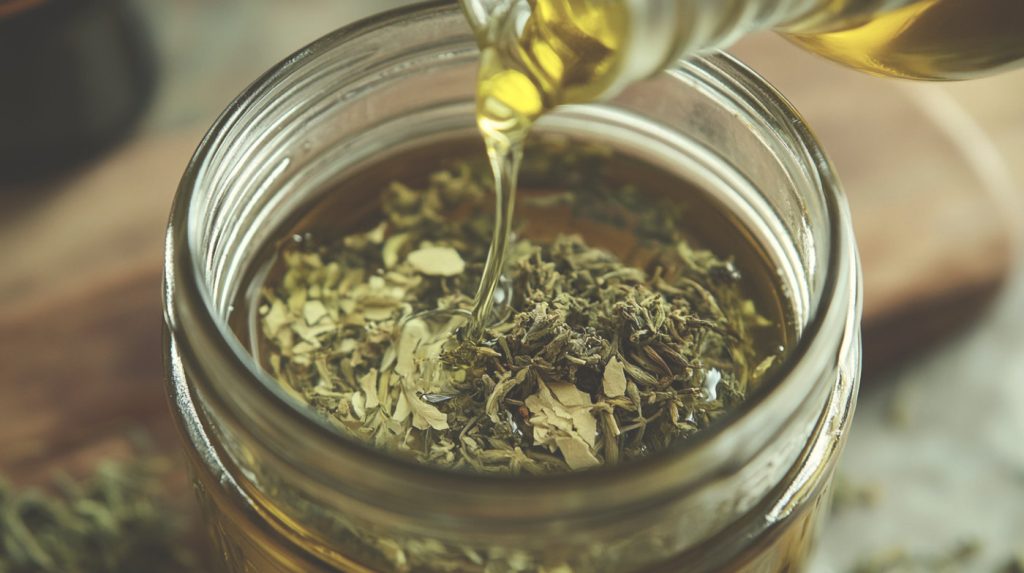
4. Cap the jar tightly and make sure to label it with the date and herbs and oil used. Place your jar somewhere away from light and heat as it can degrade the quality of the oil. Giving the plants time to infuse their medicinal properties into the oil is the way I prefer.
5. Shake your jar at least once per day, though several times per day can do nothing but good. By shaking the jar your will improve the absorption of the healthy properties of the herbs into your oil and end up with a lovely potent herbal oil.
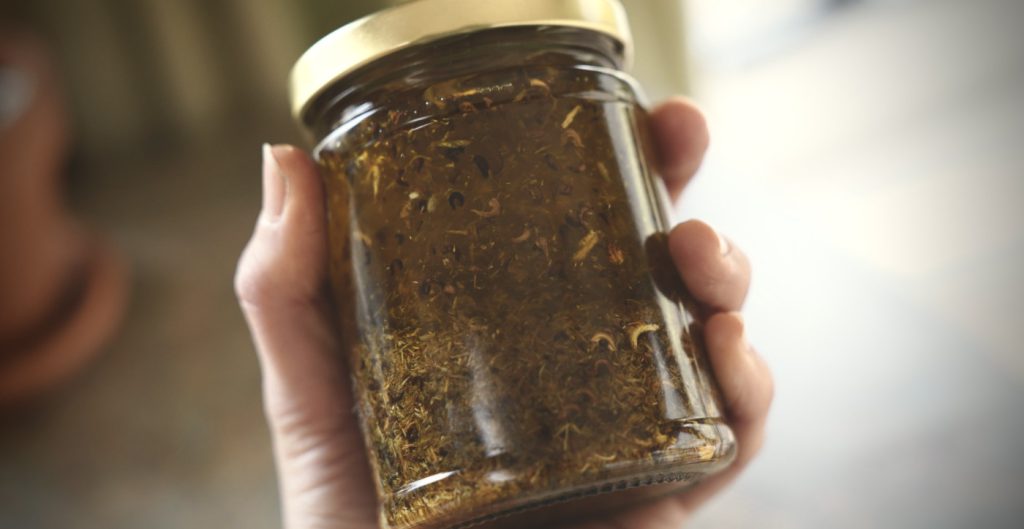
6. After 4 to 6 weeks, strain the herbs out of the oil using a muslin cloth. Make sure to really squeeze out as much of the oil as possible. The remaining plant residue can go on the compost.
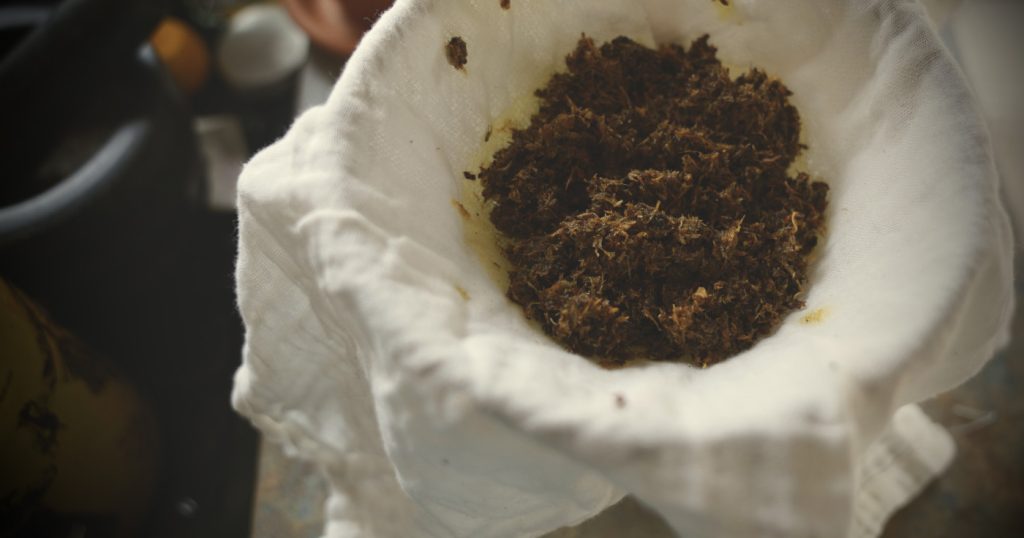
7. Pour your beautiful homemade herbal oil into a clean and sterilised glass jar or bottle and put a cute label on it with the date, type of oil, and herbs used. Store in a cool, dark and dry place and your oil will stay fresh for a year if not longer!

Learn to be creative with your herb-infused oils and you will soon be able to make the perfect oils for your needs and perhaps even turn them into salves and creams. As long as you know your herbs, their contraindications and how to use them safely the possibilities are endless. Below I’ve listed a few suggestions of how herb-infused oils can be used and some of the herbs I like to work with.
Herb-infused oil suggestions and their uses
Muscle pain oil
with herbs such as St. John’s wort (flowers & leaves), Dandelion (flowers) and Arnica (flowers) is great for soothing sore muscles.
Circulation oil
with Pine (needles), Rosemary (leaves) and Dandelion (flowers) massaged into the whole body or cold hands and feet is wonderful during the cold season.
Wound and bug bite healing oil
with vulnerary herbs such as Calendula (flowers), Yarrow (flowers & leaves) and Plantain (leaves) is good to have on hand to drench your already cleaned wound or itchy bite in.
Insect-repellent oil
with Yarrow (flowers & leaves), Lavender (flowers) and Catnip (leaves) massaged into exposed skin on summer evenings will keep the mosquitos away.
Making herb-infused oils is fun and easy and serves many versatile uses. A perfect craft for the beginner herbalist!
Love, Sarah Águsta

 Sacred Beans