A Tribute to the Resilient Healers of History.
As a modern womanly believer in natural healing and herbal medicine, I am deeply grateful for the opportunities and freedoms I have to openly practice my herbal craft, share my thoughts and knowledge with others, and further learn from inspiring healers. However, as I reflect on the rich history of herbal medicine, I am also reminded of the horrific challenges and obstacles that women herbalists have faced throughout the ages. I would therefore, as a way of honouring our ancestral herbal women, like to explore the brutal history of power and control that they withstood to live their truth, and maintain and pass on the healing powers of nature that we hold today.
Women were the healers
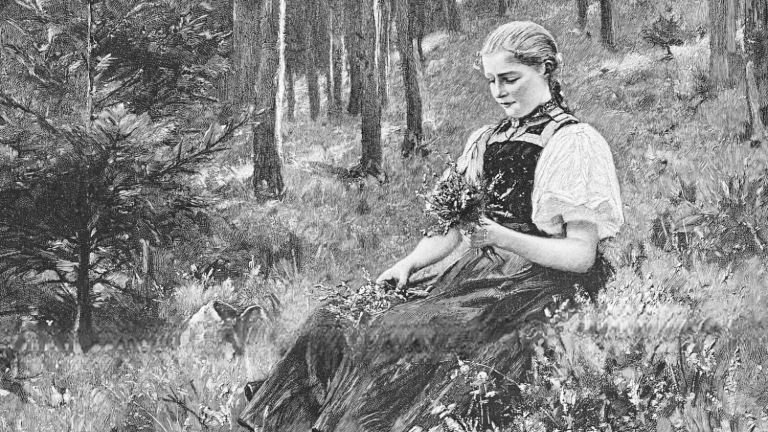
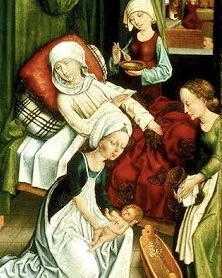
Women of the Western world were in ancient times the practitioners of medicine. Their natural healing was rich and diverse and extended across cultures and time periods. They held knowledge of plants’ healing properties, how to harvest and store them, make medicine from them, and how to use them to promote well-being, treat ailments and birth new babies. These women were compassionate village healers, community midwives, and family herbalists who understood the importance of combining physical, emotional, and spiritual healing in their practices, recognising the interconnectedness of nature, body, mind, and spirit.
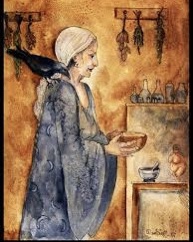
A medicine woman was a true healer! She provided regular strength-building herbal teas, cooked nourishing meals during harsh winters, enlivened the soul with wild green salads in the spring, beautified summer with edible flower platters, and invited to feast on autumn berries in preparation for the colder months.

These women were gifted with innate knowledge and understanding of nature’s healing properties and were highly respected and honoured in their communities. They were referred to as Wise Women, and indeed were they wise. Their healing abilities were even believed to ward off evil spirits and keep their villages safe and healthy.
Wise women become witches
In the 15th century, however, when organised Christian religion began dominating Europe and allopathic medicine developed, our wise women’s position in society drastically changed. The Medieval Church, with the support of kings and other authorities, controlled medical education and practice which allowed only men in the field of doctoring. Ruled by fear, lack of understanding of natural phenomena and the need for control these male authorities illegalised the practice of traditional healing, accusing wise women of consorting with the devil.

Meanwhile, funny enough, priests and popes with their extensive botanical gardens cultivated and used herbal remedies in the same manner as the wise women. The church wanted to restrict the use of medicinal plants to members of the clergy and noble families. They wanted to maintain influence and control over the general public by keeping the availability of healthcare and access to medical knowledge away from them.
This sickeningly evil approach by the church and King to gain power and control over their trusting citizens labelled the wise women’s previously respected and honoured deep connection to nature, and use of herbal remedies as “witchcraft” – the practice of magic and use of spells for evil purposes, and became despised. A provoking fear in common people shifted societal dynamics and wise women became haunted witches.
Hunts of witches
This is where it got real nasty with a long dark period of widespread persecution and execution of women accused of witchcraft. Legal authorities and extremist, torturing sadist church people took responsibility for identifying, accusing, and often trying witches whilst having the trusting common people pay their hunt visits.

Devilish witches, as we all know, didn’t exist, however, so identifying them was impossible. Therefore, these so-called witch hunters came up with all kinds of peculiar methods by which a witch could be identified. Finding “Devil’s” marks – i.e. having moles, birthmarks or any kind of skin blemish was one of them. Tying an accused woman onto a chair and throwing her into deep water or burning her alive on fire was another method. If she survived, she was considered guilty, but if she died, she was deemed innocent. A heavily biased method which of course only led to tragic outcomes.
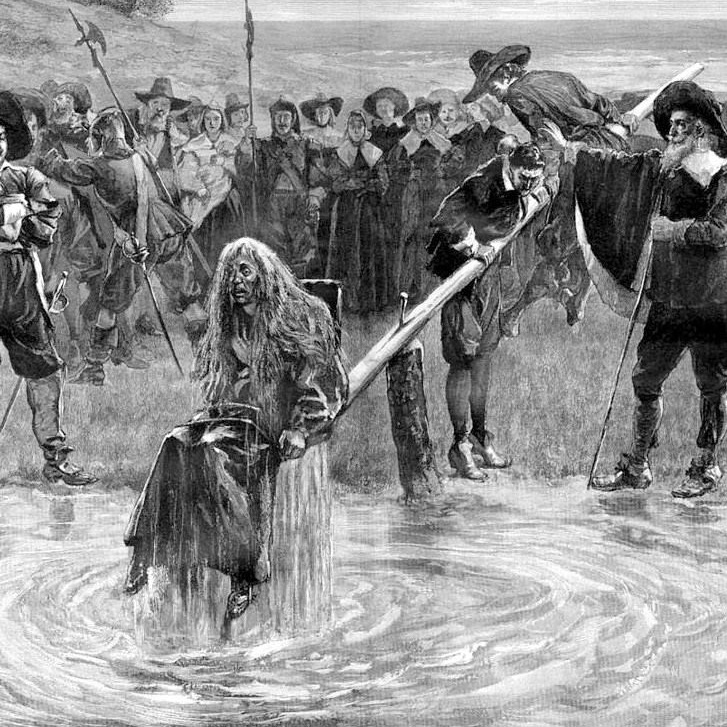
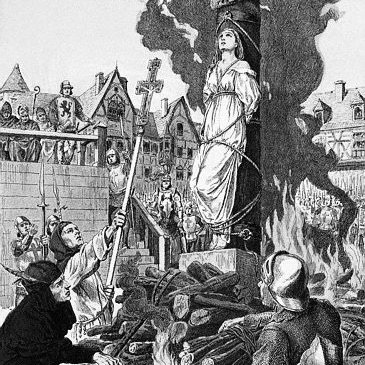
Between the 15th and 18th centuries, over 60 thousand herbalists, midwives and other wise women of Europe and British America were tortured and executed on false accusations of witchcraft, targeted because of their knowledge and abilities. Most of them were hanged to death.
Witchcraft outdated
As time went on the torturing and murdering of wise women decreased as more and more people began to doubt that so many women could be guilty of witchcraft. Scientific understanding also increased which led people’s belief in witchcraft and the supernatural to diminish. Legal systems began to reject the notion of witchcraft as a criminal offence, and by the mid-18th century accusations of witchcraft in most countries had lost their legal basis. Murdering wise women was no longer necessary.
The wise women and their valuable wisdom and magic that for centuries had cared for their communities were, however, defeated by the powerful men of the church, the government and the new scientific medicine. So many women died due to powerful men’s insecurities, fear and lack of understanding. So much healing wisdom and natural remedies died with them.
Fortunately, some incredibly brave people went against the rules and in secret practised and shared their healing knowledge, much of the knowledge we modern herbalists hold today. I can’t help but wonder how different our relationship to health and healing would have been if more people of the time dared to question the leaders and stay true to themselves, and also what reflections we can take with us looking at today’s society.
Love, Sarah Águsta

 Sacred Beans
Leave a comment