

Mmmm coffee coffee coffee, my guilty pleasure precious coffee! I absolutely love coffee and would drink it all day every day if I could. Being one of the most widely used herbal remedies and an in-depth studied plant for its high caffeine content pick-me-up qualities and adverse effects on health, I would like to explore coffee in its whole complete form, how it has been used in the past and how we can safely enjoy drinking and benefitting from it moving forward.

A Grand History
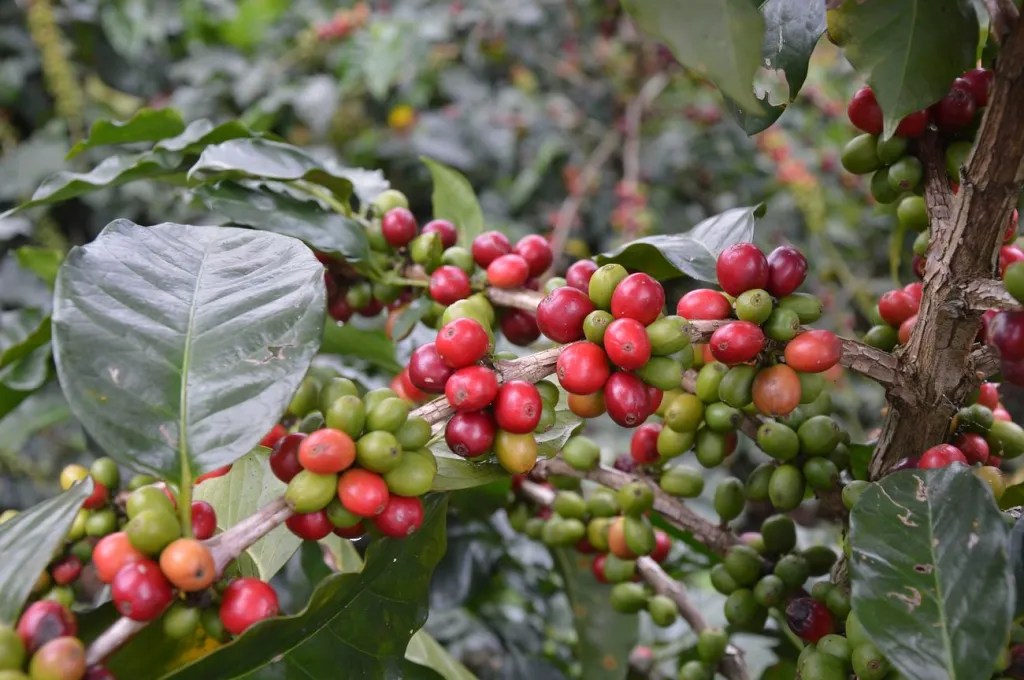
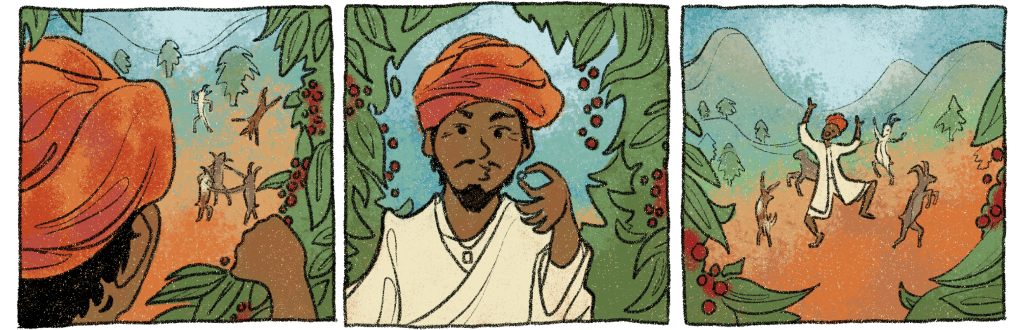
The coffee plant is native to northern Africa, in what is now known as the highlands of Ethiopia. Legend has it that sometime between the 6th and 9th century a goatherd one day lost his herd to later be found in a mountain forest nibbling on the leaves and berries of a shrub while cheerfully dancing and playing with an energy he had never seen before. Intrigued by the goats’ peculiar behaviour, the goatherd himself tried a leaf and berry and not long after joined his herd in exuberant dance. The goatherd reported his discovery to his local monastery and monks started making a drink with the berries as they found it kept them alert through the long hours of evening prayer. The energising effects of the coffee plant began to spread and apparently became Ethiopia’s native stimulant, a source of energy and inspiration for dance and art. Whether this is true or not I love the thought of goats being to thank for my favourite drink.
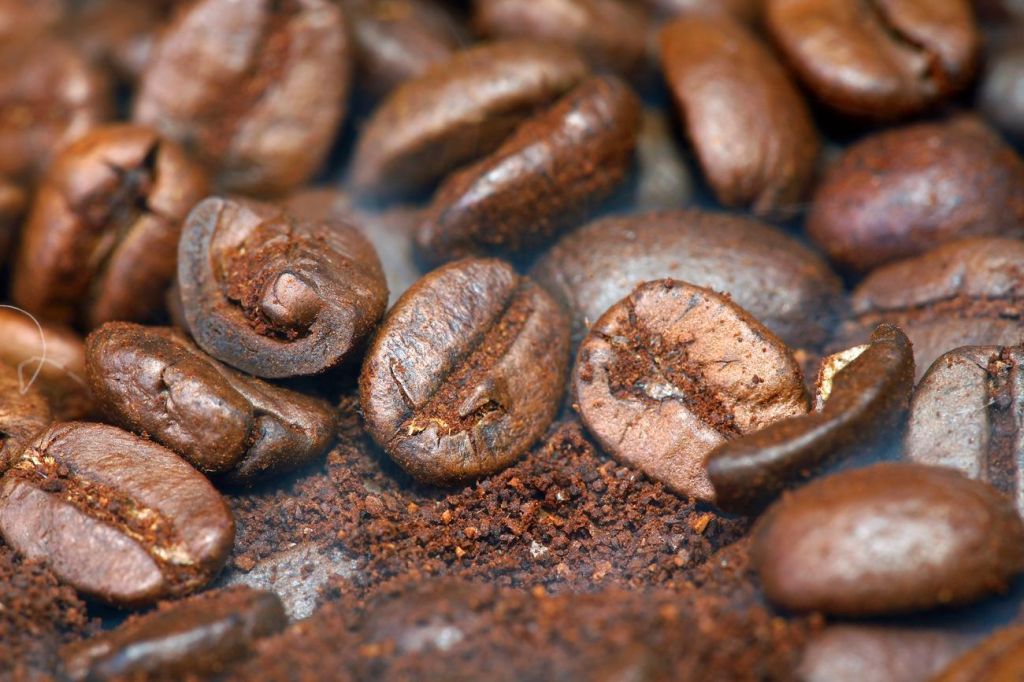
Fast-forward a good few years, to the 15th century more precisely, the love for coffee had spread and established in the middle east, the Arabian peninsula. The Arabs had discovered the delicious outcome of roasting and brewing the coffee seeds (“beans”) into a dark beverage which was now enjoyed in homes and in Qaveh Khaneh – public coffee houses that had appeared in cities and become the meet-up point for all kinds of social activity.
European travellers to Arabia brought their amazement of coffee back to their motherlands and by the 17th century, this delicious energising drink had made its way up to Turkey, Italy and the rest of Europe. Coffee became everyone’s drink of choice and coffee houses were put in place for men to meet and discuss intellectual topics. It was touted to “quicken the spirits”, “lighten the heart”, and improve digestion and all kinds of inflammation among many other things. Coffee wasn’t only met with praise and glory, however. Christians were suspicious of the black drink and called it “the bitter invention of Satan” until the pope at the time had a good sip and found it so satisfying that he decided to have the beans baptised in order to officially announce coffee as a satan-free beverage.

This, now baptised, invention of satan continued to take the world by storm as the demand increased. Ways of cultivating coffee outside of Arabia were the main topic at coffee meetings and in the latter half of the 17th century, the Dutch finally got hold of seeds and had great success with growing coffee shrubs on the island of Java, now Indonesia, to begin a thriving trade. Seeds and plants of coffee continued exploring new habitats via missionaries and travellers, traders and colonists who planted them worldwide. New nations, including Brazil and Colombia, were established in coffee economies and by the end of the 18th century, coffee had become one of the world’s most profitable export crops and as you might know, still is today.
The Medicine in the Brew
If you are a coffee drinker I’m certain that you are aware of at least one of the drink’s many properties, have noticed and benefitted from them and perhaps even experienced the not-so-nice effects of overdosing. Simply explained, Coffee is a pretty strong stimulant. It stimulates the energy, mental alertness, digestion and circulation within us and when correctly dosed, also has a way of improving our sociability and self-confidence and can create a feeling of mild euphoria.
Coffee contains a large amount of the bioactive compound caffeine and is packed with antioxidants. Let’s briefly go over what they do inside us when we enjoy a cup.
Caffeine – A central nervous system stimulant that accesses the bloodstream within 45 minutes of intake. It acts by blocking the receptors for the neurotransmitter in the brain called adenosine, which promotes calm and sleepiness. In turn, it increases levels of other neurotransmitters that regulate our energy and feeling of well-being levels, including dopamine and norepinephrine. With the ability to constrict blood vessels in the brain, caffeine can reduce the severe pain of migraine. It’s a cardiovascular stimulant and may strengthen the heart by causing it to contract with more force. By relaxing the smooth muscle of the lungs and opening up bronchial tubes, caffeine improves breathing. It can increase motility in the colon hence speeding up digestion. Overconsumption may cause agitation, anxiety, tremors, palpitation, digestive problems and insomnia.
Antioxidants – Including chlorogenic, ferulic, caffeic, and n-coumaric acids and melanoidins make up a large amount of the powerful health benefits in roasted coffee. They restore and protect our cells from the inevitable damaging effects of daily life and cancel out harmful chemicals from our bodies. This, among other things, helps us sustain energy, keeps us young and alert, and has through various studies shown to lower the risk of heart disease, type 2 diabetes, dementia, and fatty liver disease in regular coffee drinkers. While the accuracy of these studies can be questioned, we do know for certain that coffee contains extremely large amounts of antioxidants, more than most of our so-called “superfoods” e.g. blueberries, kale, and green tea.
So, when properly consumed, coffee can actually provide a remedy for a few common health problems. Aside from its impressive effects on the mind, which I’ve covered below, a cup of coffee may relieve headaches and migraines, give relief to blocked sinuses in people with allergy, make it easier for asthmatic people to breathe, and relieve mild constipation.
Boost the Mind
For those not responding negatively to coffee’s psychoactive substance caffeine, drinking coffee (in moderation!!) can be a powerful tool to overcome cognitive challenges and help get you out of brain fog and sluggishness. When the caffeine in your coffee is absorbed into your bloodstream and reaches your brain, it can enhance cognitive function and boost your alertness, focus, and memory recall. This is thought to be due to the increase in activity of our happy neurotransmitters dopamine and norepinephrine. These are also believed to be the reason for the coffee-induced improvements in self-confidence and sociability. By boosting energy and motivation levels and reducing inhibitions and social anxiety, coffee can, when moderately consumed, help you feel more comfortable and at ease in social situations while also giving you the extra jolt you need to finish that important assignment, weed your long overdue garden, meet your dogs energy level for walkies, or whatever job you happen to be procrastinating.
Sustain and Balance the Boost
By slowing down the caffeine absorption into the bloodstream one can avoid the uncontrollable spike of energy to the brain and nerves sometimes experienced and instead have the stimulating effects be less intense but last longer. Fat magically helps us with this! Fat takes longer to digest and absorb than caffeine and when added to your coffee slows down the release of caffeine into your bloodstream, leading to a more sustained and balanced energy boost. Many of you are already implementing this by adding milk or cream to your coffee but if you’re not into that then coconut oil, butter and ghee are also great options. You may have heard of “Bulletproof Coffee” where coffee is blended with grass-fed butter or coconut oil to create a creamy beverage. This is often used as a pre-workout supplement and has gained popularity to extend the boost of energy, focus, and mental clarity of coffee itself.
I enjoy my coffee strong and bitter and am not a fan of the change in flavour that fat brings to it. What I am a big fan of, however, and would like to recommend is adding cardamom to your brew. a few crushed cardamom pods added to the jug gives such a lovely sweet and pungent flavour to the coffee and, although has no scientific evidence, has traditionally been used to balance the overstimulating effects of caffeine. While cardamom has no direct impact on caffeine absorption like fats, it does have calming and anti-stress and anxiety properties which may help to counteract the effects of caffeine and reduce any potential uncontrollable energy spike. Try it!
Don’t Overdose
With coffee being an incredibly powerful herb it will also come with contraindications. It is important to note that excessive consumption can have its toll on health and may lead to some pretty severe side effects. These may include:
- Anxiety, nervousness, and jitters which although temporary can be rather unpleasant.
- Insomnia, especially when consumed in the late afternoon.
- Digestive problems such as acid reflux, heartburn, and diarrhoea.
- Headaches, although rare, are triggered in some people.
- Increased heart rate and blood pressure, which can be dangerous for those with existing cardiovascular conditions.
- Addiction and withdrawal with symptoms such as headache, fatigue, and irritability if consumption is suddenly stopped.
- Pregnancy complications hence should, if at all, be used sparingly and limited to one cup per day.
Everyone responds differently to coffee, and some people are more sensitive to its effects than others. It’s generally recommended that adults consume no more than four cups of coffee per day though I personally feel the jitters after two strong cups and would never exceed them. With trial and error, you will find which amount is right for you, however, if you find yourself dependent on the drink to get you going throughout the day I would recommend you look over your habits. As a rule of thumb, it’s never a good idea to consume coffee on an empty stomach or in the late afternoon or evening. Moreover, coffee does inhibit the absorption of iron somewhat hence iron-rich foods or supplements are best taken at least 2 hours before or after your cup of coffee.
Be Ethical
It’s no news that the coffee industry has some shadiness to it with harming the environment, the people involved in its production, or society as a whole. Low wages for farmers, child labour, unsafe working conditions, unfair trade practices, and unsustainable farming practices leading to poverty, injustice, deforestation, water pollution, soil erosion and harm to wildlife are some of the criticisms given. These issues are indeed complex and interconnected, and addressing them requires a multi-faceted approach that involves all stakeholders in the coffee industry to collectively take action. Efforts are thankfully being made to address these issues, with associations including Fair Trade certification and Rainforest Alliance certification. As consumers we, therefore, can and should support by only choosing to purchase coffee that is Fair Trade certified, Rainforest Alliance certified, organic or from small-scale farmers or cooperatives with the right intentions. By doing so we can rest assured that our coffee was produced in an environmentally sustainable and socially responsible way and that the farmers who grew it received fair wages and treatment. Our coffee will taste better and contain more positive energy!

Last Thoughts
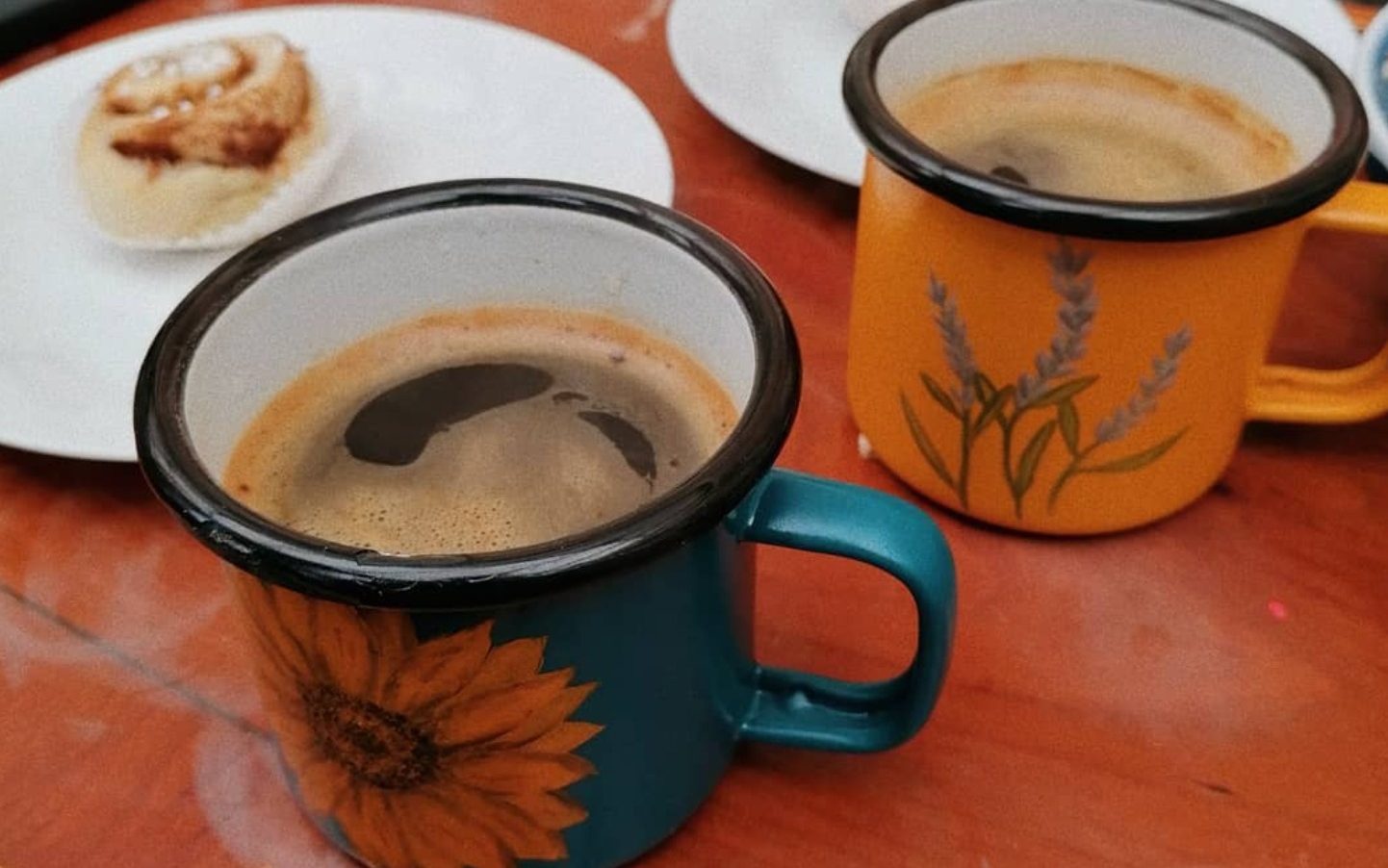
In conclusion, coffee is a wonderful herb when consumed in moderation, with or after food, and at the right time of the day. As with any herb, I want to emphasise the importance of intuition when consuming coffee. Listen and feel into your body’s needs in the moment of time. Try no to drink your coffee on the go or in a rushed manner but develop the habit of taking a break and enjoying it in a calm and relaxed environment or with a friend. This way coffee will better work its magic in a healthy and sustainable way.
With Love,
Sarah Águsta

 Sacred Beans
Leave a comment